
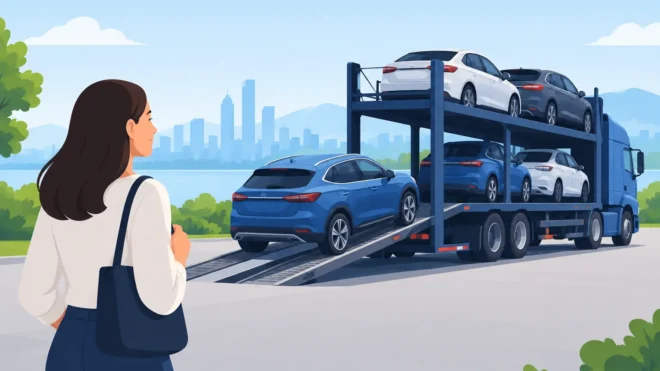
A long-distance move, an online vehicle purchase, or a seasonal relocation can leave you with one practical question: how to choose car transport without adding another major task to your schedule. The right carrier service saves you days of driving, avoids unnecessary mileage, and gives you a clear plan for getting your vehicle from pickup to delivery.
The best choice is not always the lowest quote or the fastest promise. It is the service that fits your vehicle, route, timeline, and comfort level while providing reliable communication from the first call through final delivery.
Start With Your Route, Timing, and Budget
Before requesting quotes, be clear about where the vehicle is being picked up, where it is going, and when it needs to arrive. A route between large metro areas may have more carrier availability than a rural pickup or delivery location. If your home is on a narrow street or has restrictions for large trucks, the driver may arrange a nearby, safe meeting point for loading or unloading.
Timing has a direct effect on price and options. Standard shipping works well when you have flexibility around pickup and delivery dates. If your vehicle must arrive before a move-in date, a job start, or a special event, expedited car transport may be worth the added cost. Giving yourself more lead time usually provides more scheduling flexibility and a smoother booking process.
Your budget should account for more than the shipping rate. Compare the cost of transport with fuel, hotels, meals, time away from work, vehicle wear, and the risk of a long drive. For many customers, professional transport is a practical way to protect both their time and their vehicle.
How to Choose Car Transport for Your Vehicle
Every vehicle does not need the same level of protection. A dependable transport advisor should ask about the vehicle’s make, model, condition, modifications, and value before recommending a service. Those details help determine whether open or enclosed transport is the better fit.
Open Carrier Transport
Open transport is the most common option for cars, trucks, and SUVs moving across the United States. Vehicles are secured on an open multi-car trailer, similar to the carriers often seen delivering new vehicles to dealerships. It is generally the most cost-effective choice and offers dependable capacity for everyday vehicles, relocations, dealer inventory, and online purchases.
Because the vehicle travels outdoors, it is exposed to normal road and weather conditions. That does not mean it is handled casually. A professional carrier uses proper loading and securement procedures, but open transport may not be the right choice for every owner.
Enclosed Carrier Transport
Enclosed transport places your vehicle inside a covered trailer for greater protection from weather, road debris, and outside exposure. It is often preferred for classic cars, luxury vehicles, exotics, show vehicles, and vehicles with low ground clearance or custom finishes.
Enclosed shipping costs more than open transport, and availability can be more limited on certain routes. Still, for a high-value vehicle or one that needs added protection, the higher price can provide meaningful peace of mind. The right decision depends on the vehicle’s value, condition, and how much protection matters to you.
Door-to-Door Service
Door-to-door car shipping is designed for convenience. The carrier picks up and delivers as close to your requested addresses as safely and legally possible. Large transport trucks cannot always enter residential neighborhoods, apartment complexes, or streets with low branches and tight turns, so a nearby meeting location may be necessary.
That small adjustment is usually far easier than driving hundreds or thousands of miles yourself. Confirm pickup and delivery access early so there are no surprises when the truck is scheduled.
Look Beyond the First Price You Receive
A quote is useful only when you understand what it represents. Low pricing can be appealing, but an unusually low quote may not reflect the actual cost required to move your vehicle on the requested route and schedule. It can lead to delays if a carrier is not willing to accept the load at that rate.
Ask what type of service the quote covers, whether it is open or enclosed transport, and whether expedited pickup has been requested. Make sure the pickup and delivery locations, vehicle details, and timing are accurate. A sedan, a lifted truck, and an inoperable SUV can require different equipment, space, and handling.
Price matters, but reliable coordination matters just as much. A trustworthy transport partner will explain the options plainly instead of pushing a one-size-fits-all service. AutoPlex Transport helps customers match their route, vehicle, and timing with a transport option that makes sense for their specific move.
Check the Provider Before You Book
Car transport requires you to hand over a valuable vehicle and trust someone else with the logistics. Take a few minutes to evaluate the company’s communication and operating practices before making a decision. A professional provider should be easy to reach, willing to answer direct questions, and clear about what happens before pickup, during transit, and at delivery.
Use this short checklist when comparing transport companies:
- Confirm the company can explain its insurance coverage and claims process.
- Ask whether your vehicle will be moved on an open or enclosed carrier.
- Verify expected pickup timing, delivery windows, and how updates will be handled.
- Make sure the quote reflects the correct vehicle condition, including whether it runs and drives.
- Ask who your point of contact will be if you have a scheduling question.
Pay attention to how the company handles questions before booking. If getting a straight answer is difficult at the quote stage, it may be harder once your vehicle is in transit. Personal support is especially valuable when a schedule changes, a driver needs access information, or you are coordinating a move from another state.
Understand Pickup and Delivery Windows
Vehicle shipping is not the same as a parcel delivery service with a guaranteed hour on the calendar. Carrier routes are affected by traffic, weather, loading time, customer availability, and federal driving regulations. For that reason, transport is typically planned around pickup and delivery windows rather than exact appointments.
Provide a phone number that will be answered during the pickup period. If you cannot be present, arrange for a trusted adult to release or receive the vehicle. That person should know the vehicle’s condition, have the keys, and be prepared to review the inspection paperwork.
Clear communication keeps the process worry-free. Let your transport coordinator know about gated communities, construction, limited truck access, or any date when pickup or delivery will not work. These details allow the carrier to plan ahead rather than make last-minute adjustments.
Prepare Your Vehicle for Transport
A little preparation helps protect your vehicle and makes loading easier. Wash the exterior so existing marks are easier to see during the inspection. Take time-stamped photos from multiple angles, including close-ups of any existing scratches, dents, or chipped paint.
Remove personal belongings and loose items from the cabin and trunk. Transport carriers are moving vehicles, not household goods, and loose items can shift or cause damage during transit. Keep the fuel level at about one-quarter tank, disable toll tags if needed, and secure or remove detachable accessories such as spoilers, bike racks, or custom antennas.
If the vehicle is inoperable, tell the transport company before booking. An inoperable vehicle can still be moved in many cases, but it may require special equipment and a different rate. Accurate details help ensure the right truck arrives for the job.
At pickup, the driver will typically complete a vehicle condition report. Review it carefully before signing. Repeat the inspection at delivery before accepting the vehicle. This creates a clear record of the vehicle’s condition at both ends of the shipment.
Choose the Service That Gives You Confidence
The right car transport decision comes down to fit. Open shipping is often a sensible, economical choice for a daily driver. Enclosed shipping may be the better investment for a collector vehicle or premium car. Standard scheduling works when you have flexibility, while expedited transport can help when your timeline is firm.
Do not feel pressured to select a service before you understand the details. Ask for a clear quote, confirm the transport type, and make sure you know what to expect at pickup and delivery. A dependable advisor should make those decisions easier, not more confusing.
When your vehicle needs to cross state lines, the goal is simple: it should arrive safely, with a plan you understand and support you can reach. Request a quote early, share accurate vehicle and route details, and choose a transport partner that treats your schedule and vehicle with care.
