
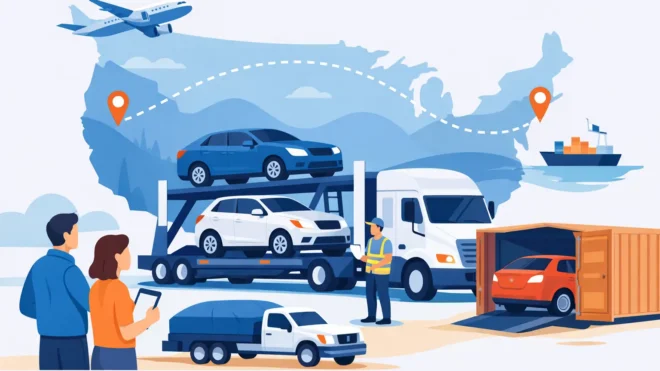
A cross-country move can put enough pressure on your schedule without adding several days behind the wheel. If you are wondering how to move a car cross country, professional auto transport is often the most practical way to protect your time, limit mileage, and get your vehicle where it needs to go without taking on a long, exhausting drive.
The right shipping plan depends on your vehicle, route, timeline, and comfort level with exposure during transit. A dependable carrier arrangement turns a complicated trip into a coordinated pickup and delivery process, with clear communication at every stage.
How to Move a Car Cross Country: Start With Your Options
Most vehicle owners choose between open carrier transport and enclosed transport. Both are common, reliable options for moving a car between states, but they serve different needs.
Open carrier shipping is the standard choice for daily drivers, SUVs, trucks, and most family vehicles. Your car travels on a multi-vehicle trailer, similar to the carriers you see delivering vehicles to dealerships. Because the carrier transports several vehicles at once, open shipping is usually the more budget-friendly option. It is a practical fit when your priority is safe transport at a competitive rate.
Enclosed transport provides a covered trailer for added protection from weather, road debris, and outside exposure. It is often the preferred option for classic cars, luxury vehicles, exotic models, restored vehicles, or any car that requires extra care. Enclosed service typically costs more, but for high-value vehicles, the additional protection can be worth the investment.
You can also choose door-to-door service, which means the carrier coordinates pickup and delivery as close to your home, office, or chosen address as safely accessible. Large transport trucks may not be able to enter narrow residential streets, gated communities, or areas with low trees and tight turns. When that happens, the driver will arrange a nearby meeting point that is safe and convenient.
Choose a Shipping Timeline That Fits Your Move
Timing affects both availability and price. Cross-country vehicle transport requires coordination between your pickup location, delivery location, carrier capacity, weather conditions, and the routes already being served. Giving yourself more time generally provides more scheduling flexibility.
If possible, start requesting quotes two to four weeks before your preferred pickup date. This gives your transport coordinator time to identify the right service level and carrier options without forcing a rushed decision. Seasonal demand can also matter. Summer relocation season, major holidays, snowbird routes, and severe weather periods may create tighter availability.
Expedited transport may be available when you need a faster pickup or delivery window. It can be useful for a last-minute relocation, a vehicle purchase with a firm deadline, or a business need that cannot wait. The trade-off is cost. Faster service usually requires a premium because it limits the carrier’s ability to group vehicles and plan the most efficient route.
Be realistic about delivery windows. Cross-country transport does not work like a package delivery service with an exact arrival hour booked weeks in advance. Traffic, road construction, weather, mandatory driver rest periods, and other pickups can shift the schedule. A trustworthy transport partner will set clear expectations and keep you informed as delivery approaches.
Get an Accurate Quote Before You Book
A useful auto shipping quote should be based on real shipment details, not a vague estimate that changes later. Be ready to provide the pickup and delivery ZIP codes, vehicle year, make, and model, whether the vehicle runs, your preferred dates, and the type of transport you want.
Mention anything that could affect loading. A lifted truck, oversized tires, a low-clearance sports car, a vehicle with mechanical issues, or a car that does not start may require special equipment or added planning. Sharing these details upfront helps prevent delays and avoids surprises on pickup day.
Price should not be the only deciding factor. An unusually low quote may not reflect the actual market cost needed to secure a qualified carrier for your route. Look for a provider that explains the service, answers direct questions, and helps you compare open versus enclosed shipping based on your vehicle and priorities.
With AutoPlex Transport, customers can discuss their route and service needs with a dedicated advisor before booking, making it easier to choose a transport solution that matches the vehicle and timeline.
Prepare Your Vehicle for Cross-Country Shipping
Preparation is simple, but it matters. A clean, documented vehicle gives you a clear baseline for pickup and makes the loading process smoother for everyone involved.
Before the carrier arrives, take care of these essentials:
- Wash the exterior so any existing scratches, dents, or paint marks are easy to see.
- Take date-stamped photos of all sides of the vehicle, including wheels, roof, windshield, and interior if relevant.
- Remove personal belongings, loose accessories, toll tags, and valuables from the car.
- Leave roughly a quarter tank of fuel, which is enough for loading while keeping unnecessary weight off the trailer.
- Check for fluid leaks, secure or retract antennas, and tell the driver about any operational issues.
Most auto carriers do not allow personal items inside the vehicle. Beyond the security concern, household goods can add weight and may not be covered under the carrier’s cargo protection. If you need to transport belongings, use a moving company or pack them separately rather than relying on the vehicle shipment.
If your vehicle has an alarm system, disable it or provide clear instructions for turning it off. Keep one set of keys for the driver and retain a spare set for yourself. You should also confirm that your registration and insurance information are current before transport begins.
Understand Pickup, Inspection, and Delivery
On pickup day, the driver will inspect the vehicle with you and record its condition on a bill of lading or vehicle inspection report. Review this document carefully before signing. It notes visible marks, dents, scratches, and other pre-existing conditions. Your photos provide an additional record.
The driver then loads and secures the vehicle for transport. Depending on the carrier layout and route, your car may be positioned on an upper or lower deck. While customers sometimes request a specific position, final placement is determined by the driver based on weight distribution, loading order, vehicle dimensions, and safety requirements.
During transit, keep your phone available and watch for updates about delivery timing. You or an authorized representative should be present at delivery whenever possible. The receiving person will inspect the vehicle again, compare its condition with the pickup documentation, and sign the final paperwork.
Do not rush the final inspection, especially if the delivery happens after dark or in poor weather. Use adequate lighting and take a few minutes to walk around the vehicle. If you see a concern, document it on the delivery paperwork before signing and notify your transport coordinator promptly.
When Driving May Still Make Sense
Shipping is not automatically the best answer for every trip. If you are moving a short distance, have a flexible schedule, enjoy road trips, and need your vehicle loaded with permitted personal essentials, driving may be reasonable. It can also make sense if you are traveling with pets or need your car immediately at multiple stops along the way.
For many long-distance moves, though, the costs of driving add up quickly. Fuel, hotel stays, meals, tire wear, oil changes, mileage depreciation, and unexpected repairs can narrow the apparent price gap. More importantly, several days on unfamiliar highways can take time and energy away from starting a new job, settling a family, or coordinating the rest of a move.
Cross-country auto shipping gives you the option to fly, travel separately, or focus on the larger logistics of relocation while your vehicle is professionally transported.
Book With Clear Expectations
A smooth shipment starts with honest details and a service plan that fits the vehicle. Ask about the estimated pickup window, delivery range, carrier communication, insurance coverage, payment expectations, and what happens if your address cannot accommodate a large truck. Clear answers before booking create a more worry-free experience later.
When your move date is approaching, secure your transport early, prepare your vehicle carefully, and keep your pickup and delivery contacts available. With the right carrier and a realistic timeline, your car can arrive cross country safely while you put your attention where it belongs: getting ready for what comes next.
