
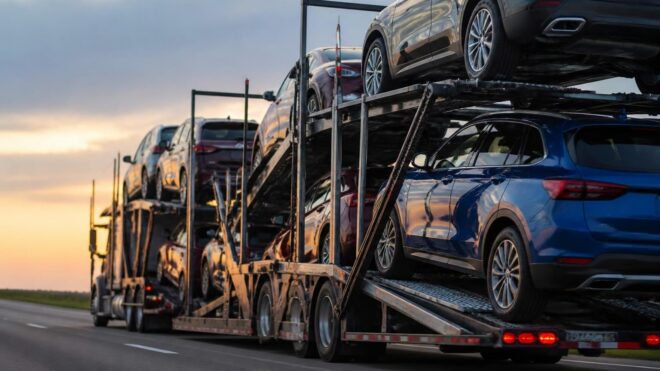
Moving a vehicle across the country no longer requires weeks of waiting and uncertainty. Modern fast auto transport services have revolutionized how Americans relocate their cars, trucks, and SUVs, with expedited options delivering vehicles in as little as 24 to 72 hours on many routes. Whether you're relocating for work, purchasing a vehicle from another state, or need your car delivered urgently, understanding the landscape of rapid auto shipping helps you make informed decisions that balance speed, cost, and reliability.
Understanding Fast Auto Transport Services
Fast auto transport refers to expedited vehicle shipping services that prioritize quick pickup and delivery times over standard shipping schedules. Traditional auto transport typically takes 7 to 14 days for cross-country shipments, but expedited services can reduce this timeframe significantly.
The acceleration comes from dedicated routing and priority scheduling. Standard carriers often consolidate multiple vehicles along flexible routes, picking up and dropping off cars as they travel. This approach maximizes efficiency but extends delivery times. Fast auto transport flips this model, treating your vehicle as a high-priority shipment with direct routing and minimal stops.
Key Features of Expedited Services
- Guaranteed pickup windows (often within 24-48 hours of booking)
- Direct routing with fewer intermediate stops
- Dedicated carrier assignment rather than waiting for consolidated loads
- Real-time tracking and frequent communication updates
- Higher priority during scheduling and route planning
The consumer-friendly guidance from Consumer Reports emphasizes the importance of understanding your timeline needs before selecting a transport option, as expedited services involve premium pricing.
When You Need Fast Auto Transport
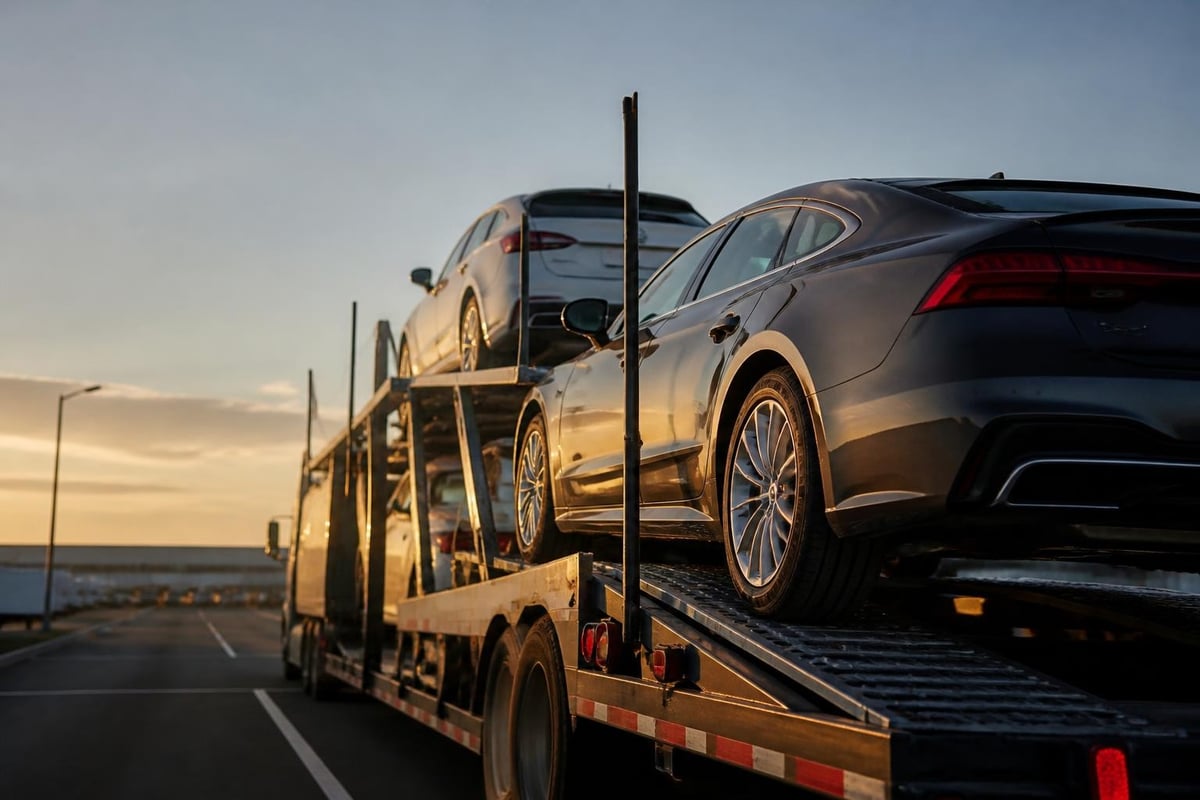
Certain situations demand rapid vehicle delivery that justifies the additional investment in expedited services. Understanding these scenarios helps you determine whether fast auto transport aligns with your needs.
Time-sensitive relocations top the list. When corporate transfers give you 48 hours to report to a new city, or military deployment orders arrive with tight deadlines, standard shipping timelines become impractical. Fast auto transport ensures your vehicle arrives when you need it, not weeks later.
Vehicle purchases represent another common scenario. Buying a classic car at auction or securing a limited-edition model from a dealer across the country often requires quick action. Expedited transport protects your investment by minimizing the window between purchase and secure delivery.
Emergency situations also drive demand. If your primary vehicle breaks down while you're traveling and you need your second car shipped immediately, or if a family member needs their vehicle delivered urgently for medical reasons, fast auto transport provides the solution.
Cost-Benefit Analysis
| Situation | Standard Transport | Fast Auto Transport | Recommended Option |
|---|---|---|---|
| Planned relocation (30+ days notice) | $800-1,200 | $1,400-2,000 | Standard |
| Corporate transfer (1 week notice) | $800-1,200 | $1,400-2,000 | Fast |
| Emergency delivery | Not viable | $1,400-2,000 | Fast |
| Auction vehicle purchase | $800-1,200 | $1,400-2,000 | Fast |
Prices vary based on distance, vehicle type, and season, but fast auto transport typically costs 40-60% more than standard services. The investment pays off when time constraints or opportunity costs exceed the premium.
How Fast Auto Transport Actually Works
The operational mechanics behind expedited vehicle shipping differ substantially from standard auto transport. Understanding these processes helps set realistic expectations and prepare for a smooth experience.
Priority dispatch starts the moment you book. While standard orders enter a queue where carriers bid and consolidate loads, fast auto transport immediately assigns a dedicated carrier or places your vehicle at the top of the dispatch list. Many companies maintain relationships with carriers specifically for expedited services.
Route optimization plays a critical role. Instead of zigzagging across states to pick up multiple vehicles, expedited carriers follow the most direct path from origin to destination. This direct approach might mean your vehicle is the only car on a multi-vehicle carrier, or it could involve a dedicated single-vehicle transport.
According to industry analytics from Super Dispatch, expedited services show significantly higher on-time performance rates compared to standard shipping, with 92% of fast transports meeting their delivery windows versus 78% for standard services.
The Booking to Delivery Process
- Initial contact and quote (same day, often within hours)
- Vehicle inspection and documentation (within 24 hours)
- Carrier assignment (typically within 24-48 hours)
- Pickup (scheduled within your guaranteed window)
- Transit (direct routing with minimal stops)
- Delivery (coordinated arrival time with final inspection)
For customers in specific regions, AutoPlex Transport’s car transport services offer tailored solutions that accommodate both standard and expedited timelines across all 50 states.
Choosing Between Open and Enclosed Fast Transport
Speed doesn't eliminate the need to choose your transport method. Both open and enclosed carriers offer expedited services, each with distinct advantages for fast auto transport situations.
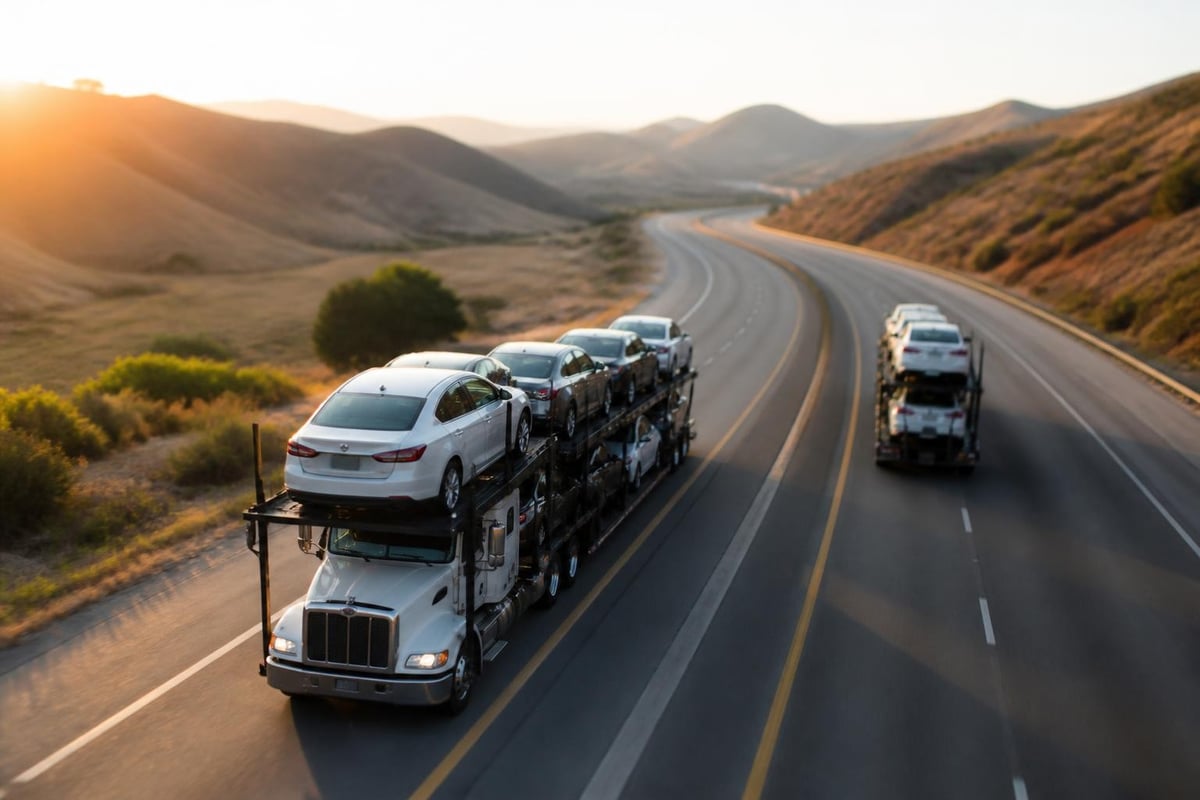
Open carrier expedited transport provides the most economical fast option. These multi-level trailers remain the industry standard, carrying vehicles exposed to weather and road conditions. For everyday vehicles in good condition, open carriers deliver speed without unnecessary expense. Most expedited open carrier services can accommodate pickup within 24-48 hours on major routes.
Enclosed carrier expedited transport combines maximum protection with rapid delivery. Climate-controlled trailers shield vehicles from weather, debris, and potential damage during transit. This option suits luxury vehicles, classics, exotic cars, or any automobile where condition preservation justifies the premium. Enclosed expedited transport costs 60-80% more than standard open carrier shipping but provides peace of mind for high-value vehicles.
Comparison of Fast Transport Methods
| Factor | Open Carrier Fast | Enclosed Carrier Fast |
|---|---|---|
| Typical cost premium over standard | 40-50% | 80-100% |
| Weather protection | Minimal | Complete |
| Availability | Excellent | Good |
| Best for | Standard vehicles, newer cars | Luxury, classic, exotic vehicles |
| Pickup window | 24-48 hours | 48-72 hours |
The Federal Motor Carrier Safety Administration maintains regulations on auto transporter operations that apply equally to both methods, ensuring baseline safety standards across all expedited services.
Geographic Considerations and Route Availability
Not all routes support the same level of expedited service. Understanding geographic factors helps set realistic expectations for fast auto transport timelines.
Major metropolitan corridors offer the best expedited service availability. Routes connecting cities like Houston to Dallas, Los Angeles to San Francisco, or New York to Miami see constant carrier traffic, making 24-hour pickup windows achievable year-round. The concentration of carriers in these markets supports rapid deployment.
Cross-country main routes such as I-10, I-40, I-80, and I-95 corridors provide reliable fast auto transport options with slightly extended windows. A Houston to Los Angeles shipment might achieve pickup within 24 hours and delivery within 3-4 days total, while maintaining direct routing principles.
Rural or less-traveled routes present challenges for truly expedited service. A vehicle pickup in remote Montana or rural Maine requires additional coordination time. Carriers may need to deadhead (travel empty) to reach your location, adding time and cost. In these scenarios, fast auto transport might mean 3-4 day pickup windows rather than 24 hours.
Regional Availability Insights
- High-demand markets: 24-48 hour pickup, 2-5 day total delivery
- Mid-tier routes: 48-72 hour pickup, 4-7 day total delivery
- Remote locations: 3-5 day pickup, 7-10 day total delivery
- Seasonal variations: Summer and fall offer better availability
Companies like AutoPlex Transport with services in New York regions navigate these geographic challenges through extensive carrier networks and strategic positioning.
Preparing Your Vehicle for Fast Pickup
Fast auto transport requires equally rapid preparation. Unlike standard shipping where you might have a week to ready your vehicle, expedited services demand immediate action.
Documentation preparation should happen immediately upon booking. Gather your vehicle registration, proof of insurance, and identification. Create a detailed condition report with photographs from multiple angles, capturing any existing damage. This documentation protects you during pickup and delivery inspections.
Remove all personal belongings from the vehicle interior and trunk. Carriers assume no liability for personal items, and security concerns increase with expedited services that may transfer your vehicle between multiple handlers. Quarter-tank fuel levels represent the industry standard, providing enough gas for loading and unloading without adding unnecessary weight.
Pre-Pickup Checklist
- Clean vehicle exterior (reveals existing damage)
- Document all scratches, dents, and imperfections with photos
- Remove or secure aftermarket accessories
- Disable alarm systems
- Note fuel level (quarter tank recommended)
- Remove toll transponders and parking passes
- Check tire pressure and fluid levels
- Disable anti-theft devices temporarily
Mechanical readiness matters even though you're not driving. Ensure your vehicle starts reliably, steers properly, and brakes function correctly. Carriers need to load and unload your car multiple times, and mechanical issues can delay even fast auto transport services.

Technology and Tracking in Modern Fast Transport
Digital innovation has transformed fast auto transport from a phone-call-and-hope process into a transparent, trackable service. Modern expedited shipping leverages technology at every stage.
GPS tracking systems now standard on most carriers provide real-time location updates. Instead of wondering where your vehicle is during transit, you access a portal showing current location, estimated arrival time, and recent movement history. This visibility proves particularly valuable for expedited services where timing matters.
Digital documentation streamlines the inspection and transfer process. Tablet-based applications allow drivers to photograph your vehicle, capture signatures, and generate instant reports accessible to all parties. This speed eliminates the paperwork delays that once plagued auto transport.
The Auto Hauler Exchange transparency report found that customers using carriers with advanced tracking technology reported 34% higher satisfaction rates and experienced fewer delivery disputes.
Mobile communication platforms keep you connected with dispatch teams and drivers. Text message updates notify you of pickup arrivals, transit milestones, and delivery scheduling. This constant communication loop reduces anxiety and allows real-time coordination for fast auto transport delivery windows.
Technology Features to Expect
- Real-time GPS tracking through customer portals
- Automated status notifications via text or email
- Digital bill of lading with photo documentation
- Instant quote calculators for pricing transparency
- Online booking platforms eliminating phone tag
Insurance and Protection for Expedited Shipments
Fast auto transport doesn't reduce the need for comprehensive insurance coverage. If anything, the compressed timelines and priority handling increase the importance of proper protection.
All licensed carriers must maintain federal cargo insurance with minimum coverage typically ranging from $100,000 to $250,000 per load for open carriers, and $250,000 to $500,000 for enclosed transport. This baseline protection covers damage occurring during transit under the carrier's care.
However, standard carrier insurance includes deductibles and excludes certain damage types. Supplemental insurance fills these gaps, providing comprehensive coverage without deductibles. For high-value vehicles using fast auto transport, this additional protection makes financial sense.
Insurance Coverage Comparison
| Coverage Type | What's Covered | Cost | Recommended For |
|---|---|---|---|
| Carrier base insurance | Major damage during transit | Included | Standard vehicles |
| Gap coverage | Deductible amounts, minor damage | $50-150 | All expedited shipments |
| Comprehensive transport insurance | Complete protection, zero deductible | $200-500 | Luxury/exotic vehicles |
| Personal auto policy | Usually excludes commercial transport | N/A | Not sufficient |
Before booking fast auto transport, verify the carrier's insurance certificates and understand coverage limits. Request documentation showing current policies and confirm coverage applies during your shipment dates. Services like AutoPlex Transport maintain transparent insurance information and help customers understand their protection options.
Seasonal Demand and Strategic Timing
Even with fast auto transport, seasonal patterns affect availability and pricing. Strategic timing optimizes both speed and cost.
Peak seasons (May through September) see increased demand as families relocate during summer months and students transport vehicles to college. This surge can extend even expedited pickup windows from 24 hours to 48-72 hours on some routes. Pricing premiums increase 20-30% above winter rates.
Winter months (November through March) offer better availability for fast auto transport, particularly on southern routes where snowbirds migrate to warmer climates. Carriers returning north often have capacity, creating opportunities for competitive expedited pricing. However, northern routes face weather-related delays that can impact even prioritized shipments.
The National Academies research on transportation systems notes that seasonal vehicle transport patterns have intensified with remote work trends, creating new demand spikes during traditionally slower periods.
Optimal Booking Windows by Season
- Spring (March-May): Book 3-5 days ahead for best fast auto transport rates
- Summer (June-August): Book 5-7 days ahead, expect premium pricing
- Fall (September-November): Book 3-4 days ahead, good availability
- Winter (December-February): Book 2-3 days ahead, best pricing opportunities
Flexibility in pickup dates by even 24-48 hours can reduce costs significantly while maintaining faster-than-standard delivery timelines.
Regulatory Compliance and Carrier Selection
Choosing a legitimate, compliant carrier prevents the nightmare scenarios that plague the auto transport industry. Fast auto transport requires extra diligence since compressed timelines limit your response options if problems arise.
USDOT and MC numbers represent your first verification checkpoint. Every legitimate auto transport carrier must register with the Federal Motor Carrier Safety Administration and display these numbers. Check the FMCSA database to verify active status, insurance coverage, and safety ratings.
Federal regulations including 49 CFR §393.87 establish specific requirements for auto transporters, covering equipment standards, load securement, and operational safety. Carriers operating expedited services should demonstrate perfect compliance with these baseline requirements.
Broker versus carrier distinction matters significantly for fast auto transport. Brokers arrange transport through third-party carriers, adding a coordination layer that can delay expedited services. Direct carriers own their trucks and handle your vehicle from pickup to delivery, eliminating the middle step. For truly rapid transport, direct carriers offer advantages.
Verification Checklist for Fast Auto Transport Providers
- Active USDOT and MC number verification
- Current insurance certificates (request copies)
- Customer reviews from multiple platforms
- Clear contract terms with guaranteed pickup windows
- Direct carrier operations (not broker intermediary)
- 24/7 customer service availability
- Written documentation of expedited service guarantees
Cost Factors and Pricing Transparency
Understanding what drives fast auto transport pricing helps you evaluate quotes and avoid unexpected charges. Multiple variables interact to determine final costs.
Distance forms the foundation, with longer routes commanding higher base rates. However, expedited services calculate differently than standard transport. A 1,000-mile shipment might cost $900 standard or $1,400 expedited, but a 500-mile trip could be $600 standard or $1,100 expedited. The premium percentage increases on shorter routes where standard consolidation creates more efficiency.
Vehicle specifications affect pricing significantly. Oversized vehicles, low-clearance sports cars, non-running automobiles, and modified vehicles all carry surcharges. Fast auto transport amplifies these premiums since carriers can't spread special handling costs across multiple vehicles as easily.
Seasonal timing and route popularity create dynamic pricing. A Houston to Phoenix route in January might offer competitive expedited rates due to snowbird traffic creating carrier availability. The same route in July could see 25% higher pricing from reduced carrier interest in desert heat.
Sample Expedited Pricing Scenarios (2026 Estimates)
- New York to Florida (1,200 miles): $1,200-1,600 open carrier, $2,000-2,500 enclosed
- California to Texas (1,400 miles): $1,300-1,700 open carrier, $2,200-2,800 enclosed
- Midwest to East Coast (900 miles): $1,000-1,400 open carrier, $1,800-2,300 enclosed
- Cross-country (2,500+ miles): $2,000-2,800 open carrier, $3,500-4,500 enclosed
Transparent providers itemize costs, showing base transport fees, expedited service premiums, and any additional charges. Avoid companies that provide vague "all-inclusive" quotes without breakdown details.
Common Challenges and How to Avoid Them
Even the best fast auto transport services encounter obstacles. Anticipating common challenges and implementing preventive strategies ensures smoother experiences.
Communication breakdowns rank as the primary complaint. Expedited services move quickly, and missed calls or emails can delay pickups. Provide multiple contact methods and designate an alternate contact person. Respond to carrier communications immediately, as pickup windows close rapidly.
Scheduling conflicts emerge when delivery timing misaligns with your availability. Fast auto transport compresses the timeline, giving you less flexibility to arrange receipt. Identify someone at your destination who can accept delivery if you're unavailable, and provide clear instructions for access to gated communities or secured locations.
Weather and road conditions affect even prioritized shipments. Winter storms, hurricanes, or unexpected road closures can delay any transport service. Build 24-48 hours of buffer into your critical deadlines when possible, and purchase insurance covering weather delays if your situation tolerates zero flexibility.
Problem Prevention Strategies
- Maintain constant phone availability during pickup and delivery windows
- Provide detailed location access instructions upfront
- Build contingency time into critical deadlines
- Purchase comprehensive insurance for valuable vehicles
- Document everything with photos and written records
- Verify carrier credentials before booking
- Read contracts completely before signing
Regional services like AutoPlex Transport’s Broome County operations demonstrate how localized expertise helps navigate area-specific challenges that can delay even expedited shipments.
Alternative Expedited Options for Urgent Needs
When fast auto transport timelines still exceed your requirements, alternative methods provide even faster solutions, though at substantially higher costs.
Hotshot transport represents ultra-expedited service using smaller trucks (typically dually pickup trucks with specialized trailers) that carry one or two vehicles maximum. These services achieve pickup within hours and complete cross-country trips in 24-48 hours through non-stop driving with team drivers. Costs run 200-300% above standard rates but deliver unmatched speed.
Drive-away services employ professional drivers who physically drive your vehicle to its destination. This option works for running vehicles and provides fastest delivery, often within 24 hours for regional trips. However, it adds mileage to your vehicle and carries higher risk exposure during transit.
Partial expedited service offers middle-ground solutions. You might arrange fast pickup with standard delivery timing, or vice versa, depending on your specific constraints. This customization can reduce costs while addressing your most critical timeline requirement.
Speed Comparison by Service Type
| Service | Pickup Window | Delivery Time (1,000 miles) | Cost Premium |
|---|---|---|---|
| Standard transport | 5-10 days | 7-14 days total | Base rate |
| Fast auto transport | 24-48 hours | 3-5 days total | +40-60% |
| Hotshot service | 2-12 hours | 24-48 hours total | +200-300% |
| Drive-away | Same day | 1-2 days total | +150-250% |
Fast auto transport provides essential solutions when standard shipping timelines don't align with your needs, balancing speed with reliability through dedicated routing and priority handling. Whether you're managing a corporate relocation, securing an auction purchase, or responding to emergency circumstances, understanding the operational mechanics, cost structures, and selection criteria empowers you to make informed decisions. AutoPlex Transport offers comprehensive auto shipping services across the USA with both standard and expedited options, ensuring your vehicle arrives safely and on schedule regardless of your timeline requirements.
