
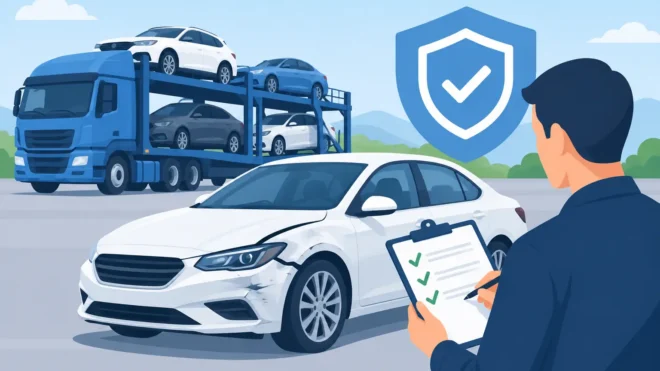
A vehicle can travel hundreds or thousands of miles without a problem, but the delivery inspection is still the moment that matters most. Damage claims reviews can help you understand how an auto shipping company responds when something goes wrong, but only if you know how to read them. A short comment saying a claim was “handled badly” may be frustrating, yet it rarely tells you whether the customer documented the issue, noted it at delivery, or received clear next steps.
For people relocating, buying a vehicle out of state, or protecting a classic car, the goal is not simply to find a company with no complaints. That is not realistic in a nationwide service industry. The better goal is to choose a transport partner with a careful process, clear communication, and a professional approach to inspection and claims.
What Damage Claims Reviews Can and Cannot Tell You
A useful review explains what happened before, during, and after delivery. It may mention the vehicle’s condition at pickup, whether the customer received a condition report, how quickly the issue was reported, and whether the company stayed in contact. Specific details make a review more helpful than a one-line rating.
Look for patterns rather than reacting to a single negative post. If multiple customers say they were encouraged to inspect their vehicle, received paperwork at both pickup and delivery, and got prompt answers to questions, that points to an organized operation. On the other hand, repeated comments about missed calls, unclear paperwork, or pressure to sign before inspecting deserve attention.
Damage claims reviews also need context. A scratch found after delivery is not automatically shipping damage. It may have existed before pickup, occurred while the vehicle was parked afterward, or be difficult to verify if no pre-transport photos were taken. That does not mean a customer should be dismissed. It means a fair review of the situation depends on documentation from both pickup and delivery.
Be especially careful with reviews that make broad claims without details. A reliable transport company should take concerns seriously, but online reviews cannot replace the bill of lading, dated photos, inspection notes, and direct communication that support an actual claim.
Look for a response, not just a rating
A company’s response to a concern can be as revealing as the review itself. A professional response should be respectful, avoid blaming the customer, and explain that the company wants to review the shipment records. It should not make public promises before the facts are confirmed, but it should show a willingness to communicate and help move the matter forward.
Positive reviews can be useful, too. Customers often mention the details that made them feel secure: an advisor who explained the pickup window, a driver who completed a walk-around inspection, or delivery coordination that gave them enough time to inspect the vehicle. These are practical signs of a customer-focused shipping experience.
Start With Prevention Before Your Vehicle Ships
The easiest damage claim to manage is the one that never needs to be filed. Preparation gives you a clear record of your vehicle’s condition and makes pickup and delivery less stressful.
Clean the exterior enough to see existing scratches, chips, dents, and paint imperfections. Take well-lit, date-stamped photos from every angle, including the front, rear, both sides, wheels, roof when possible, and close-ups of any existing damage. Photograph the odometer and keep a copy of your vehicle’s condition report with your shipping records.
At pickup, review the inspection with the driver before the vehicle is loaded. The condition report, often included with the bill of lading, should note visible damage that is already present. Do not rush through this step simply because the carrier has arrived or you need to leave for work. A few careful minutes can prevent confusion later.
Remove personal items unless your shipping coordinator has specifically approved them. Personal property can shift during transit, is generally not covered in the same way as the vehicle, and can make a thorough interior inspection more difficult. Retract or secure accessories when appropriate, and let your transport coordinator know about modifications, low ground clearance, non-running status, or oversized equipment before pickup.
Choose the protection level that fits the vehicle
Open carrier transport is a dependable and cost-effective option for many standard vehicles. Since vehicles travel on an open trailer, however, they are exposed to normal road and weather conditions. Enclosed transport provides additional protection from the elements and is often the preferred choice for luxury vehicles, classics, exotics, and vehicles with high sentimental or market value.
Neither service eliminates every possibility of damage. The right choice depends on your vehicle, route, timing, budget, and comfort level. What matters is choosing a company that explains the options clearly instead of treating every shipment exactly the same.
What to Do if You Notice Damage at Delivery
First, stay calm and inspect the vehicle before signing the final delivery paperwork. Walk around it in good lighting if possible. Compare the vehicle with your pickup photos and the original condition report. Look at painted surfaces, bumpers, mirrors, glass, wheels, tires, and any low areas that may be harder to see.
If you find new damage, photograph it immediately from both close and wider angles. Include a photo that shows the affected area in relation to the rest of the vehicle. Take notes on the delivery paperwork before you sign, describing the location and type of damage as clearly as possible. For example, “new scrape on lower passenger-side front bumper” is far more useful than “damage.”
Ask the driver to acknowledge the notation and retain a copy of the signed document. Then contact your shipping company as soon as possible using the claim instructions provided for your shipment. Share the photos, condition reports, delivery paperwork, and any repair estimate requested. Keep communications organized and save copies of emails, messages, and receipts.
If delivery occurs after dark, in heavy rain, or in another setting where a complete inspection is difficult, say so. Take preliminary photos, note the limited conditions on the paperwork if appropriate, and contact the company promptly for guidance. The best next step can vary based on the shipment records and the terms of the carrier’s coverage.
Do not assume that a repair estimate automatically establishes responsibility. The claim review typically considers whether the damage was documented at delivery, whether it appears on the pickup report, and whether the evidence connects it to transit. A clear paper trail helps everyone assess the situation fairly and without unnecessary delay.
Questions to Ask Before You Book
Before choosing an auto shipping provider, ask how the pickup and delivery inspection works, who to contact if you notice damage, and what documentation the company will need for a claim. You can also ask whether the carrier’s coverage information will be available and how updates are handled while the vehicle is in transit.
The answers should be direct. A dependable company will not imply that damage is impossible, because no transport service can honestly make that promise. Instead, it should explain how it works to prevent issues, how it documents vehicle condition, and how its team supports customers when questions arise.
You should also ask about pickup timing, delivery windows, service type, and any special handling your vehicle requires. Clear expectations reduce last-minute surprises and give the transport team the information it needs to plan a safer shipment.
A Better Standard for Auto Transport Care
A smooth shipment is built on more than a carrier arriving on schedule. It relies on careful vehicle preparation, accurate inspections, honest communication, and a support team that remains available from booking through delivery. AutoPlex Transport helps customers choose the service level that fits their vehicle and route, with dedicated guidance for a more confident pickup-to-delivery experience.
When you compare damage claims reviews, look beyond the star rating. Choose a company that makes inspection straightforward, treats your vehicle with care, and gives you a clear path to follow if you ever need help. Before booking, request a quote, discuss your vehicle’s needs, and keep your pickup photos ready – that small amount of preparation can make delivery feel far more worry-free.
