
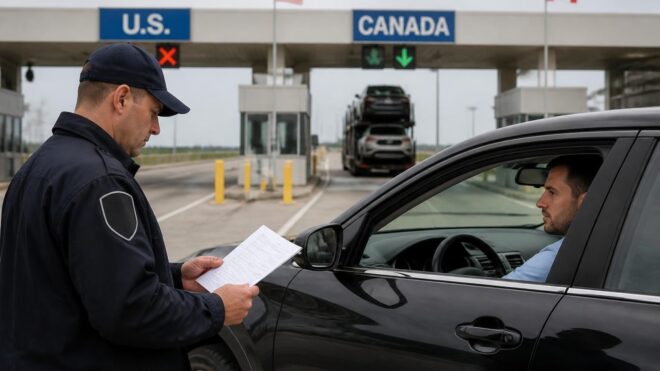
Moving a vehicle between the United States and Canada requires careful planning, proper documentation, and understanding of both countries' regulations. Canadian car shipping has become increasingly streamlined in 2026, yet the process still demands attention to customs requirements, safety standards, and professional transport logistics. Whether you're relocating for work, purchasing a vehicle from south of the border, or moving seasonally between countries, understanding the complete shipping process ensures a smooth cross-border vehicle transfer without unexpected delays or expenses.
Understanding Canadian Car Shipping Requirements
The foundation of successful canadian car shipping begins with knowing what Canadian authorities require before your vehicle crosses the border. Transport Canada and the Canada Border Services Agency (CBSA) maintain specific standards that all imported vehicles must meet, regardless of whether the import is temporary or permanent.
Vehicle Eligibility and Admissibility Standards
Not all vehicles qualify for importation into Canada. The CBSA detailed memorandum on importing vehicles outlines admissibility criteria that focus on safety, theft prevention, and emissions compliance. Vehicles manufactured to U.S. standards generally meet Canadian requirements, but certain models from other markets may face restrictions.
Key eligibility factors include:
- Vehicle age and compliance with Canadian Motor Vehicle Safety Standards (CMVSS)
- Recall clearance from the manufacturer
- Absence from the Canadian Registrar of Imported Vehicles (RIV) inadmissible list
- Proper odometer readings and documentation
- Clear title without liens or encumbrances
The Registrar of Imported Vehicles serves as the operational hub for most U.S.-built vehicles entering Canada. Through the RIV portal, importers create the mandatory Vehicle Import Form (Form 1), pay processing fees, and track post-entry inspection requirements. This system applies to most vehicles originally manufactured for the U.S. market, ensuring they meet Canadian safety and environmental standards before provincial registration.
Documentation Package Requirements
Assembling complete documentation before shipping prevents border delays and storage fees. Canadian car shipping requires coordination between the vehicle owner, transport carrier, and customs authorities.
| Document Type | Purpose | Where to Obtain |
|---|---|---|
| Title/Ownership | Proves legal ownership | State DMV or lender |
| Bill of Sale | Shows purchase price for duty calculation | Seller or dealership |
| Recall Clearance Letter | Confirms no open safety recalls | Vehicle manufacturer |
| EPA Form 3520-1 | U.S. export compliance | EPA publications |
| RIV Form 1 | Canadian import authorization | RIV website |
| Photo ID | Border clearance | Government-issued |

Original documents carry more weight at the border than photocopies. If your title shows a lienholder, obtain a letter of permission authorizing the vehicle's export and import. For financed vehicles, many lenders require full payment before releasing the title for international shipping.
The Cross-Border Transportation Process
Professional canadian car shipping involves multiple stages, from initial pickup to final delivery and customs clearance. Understanding each phase helps set realistic expectations and ensures proper preparation.
Selecting the Right Transport Method
Vehicle transport across the Canadian border typically follows one of two primary methods, each with distinct advantages depending on vehicle value, weather conditions, and budget.
Open carrier transport remains the most economical option for canadian car shipping. Vehicles travel on multi-car trailers exposed to weather and road conditions. This method suits everyday vehicles and offers the fastest availability since open carriers handle the majority of cross-border shipments. Companies like AutoPlex Transport coordinate regular routes between major U.S. and Canadian cities, optimizing schedules to minimize transit time.
Enclosed carrier transport provides maximum protection inside fully covered trailers. This premium service suits classic cars, luxury vehicles, or any automobile requiring protection from elements during the journey. While enclosed shipping costs 40-60% more than open transport, the investment protects high-value vehicles from potential weather damage, road debris, and visibility during transport.
Border Crossing Coordination
The actual border crossing represents the most critical phase of canadian car shipping. Professional carriers experienced in international transport understand the timing, documentation presentation, and coordination required for smooth customs clearance.
Vehicles must clear both U.S. export requirements and Canadian import regulations. The U.S. Customs and Border Protection requires 72-hour advance notice for exports, filed electronically through the Automated Export System. On the Canadian side, carriers present the complete documentation package, including the RIV form, recall clearance, and ownership papers.
Most professional transport companies include customs brokerage services, managing the paperwork submission and clearance process. This expertise proves invaluable when questions arise about vehicle classification, duty assessment, or documentation discrepancies. Transport carriers working under commercial vehicle regulations maintain bonded status, enabling them to move vehicles across the border while customs processing completes.
Costs and Financial Considerations
Budgeting for canadian car shipping requires understanding both the transport fees and the regulatory costs associated with importing a vehicle into Canada.
Transport Pricing Factors
Distance drives the primary cost variable in canadian car shipping. Routes from northern U.S. states to nearby Canadian provinces cost considerably less than shipments from southern states to western Canada. Seasonal demand also affects pricing, with summer months typically commanding premium rates due to higher moving volumes.
Pricing typically ranges as follows:
- Short-haul routes (Buffalo to Toronto, Detroit to Windsor): $300-$600
- Medium-distance routes (New York to Montreal, Seattle to Vancouver): $700-$1,200
- Long-haul routes (Texas to Alberta, Florida to Ontario): $1,500-$2,500
- Coast-to-coast (California to Maritime provinces): $2,500-$4,000
Enclosed transport adds 40-60% to these base rates. Expedited service, guaranteed pickup dates, and door-to-door delivery within remote areas incur additional surcharges.
Import Duties and Taxes
Beyond transport costs, canadian car shipping involves governmental fees and taxes that vary based on vehicle origin, value, and type.

| Fee Type | Amount | When Paid |
|---|---|---|
| RIV Registration | $195 + GST | At border or online pre-clearance |
| GST (Federal) | 5% of vehicle value | At border |
| Provincial Tax | Varies 5-15% by province | During provincial registration |
| Provincial Inspection | $100-$200 | Before receiving plates |
| Import Duty | 6.1% (non-USMCA vehicles) | At border |
Vehicles manufactured in the U.S., Canada, or Mexico under the United States-Mexico-Canada Agreement (USMCA) typically qualify for duty-free entry, eliminating the 6.1% import duty. The vehicle's compliance label, usually found on the driver's door jamb, indicates the country of manufacture.
Provinces add their own sales taxes during the registration process. Ontario applies 13% HST, British Columbia charges 12% PST plus GST, while Alberta imposes no provincial sales tax. These provincial variations significantly impact the total cost of bringing a vehicle into Canada permanently.
Post-Import Compliance and Registration
After your vehicle arrives in Canada through canadian car shipping services, several additional steps ensure legal operation on Canadian roads.
Provincial Safety Inspections
Every province requires imported vehicles to pass a safety inspection before issuing registration and license plates. The Safety Standards Certificate process in Ontario exemplifies the thorough examination vehicles undergo.
Licensed mechanics inspect critical safety systems:
- Brake function and pad thickness
- Steering and suspension components
- Lights, signals, and reflectors
- Tires and wheel condition
- Windshield and glass integrity
- Seatbelts and restraint systems
- Frame and structural soundness
Vehicles failing inspection require repairs before re-examination. Budget $100-$200 for the inspection itself, plus potential repair costs if issues surface. Older vehicles or those from regions with minimal inspection requirements often need maintenance to meet Canadian standards.
Insurance Requirements
Canadian provinces mandate specific minimum insurance coverage that differs from U.S. requirements. The Insurance Bureau of Canada outlines coverage standards, though each province sets its own minimums.
Before driving your imported vehicle, secure Canadian insurance coverage. Most carriers require the provincial inspection certificate before issuing a policy. Some U.S. insurance policies provide temporary cross-border coverage, but this typically extends only 30-60 days and doesn't satisfy provincial registration requirements.
Premium rates depend on vehicle type, driver history, and location. Vehicles imported from the U.S. sometimes qualify for claims-free history transfer if you obtain a letter from your previous U.S. insurer documenting your record.
Timing and Logistics Planning
Successful canadian car shipping requires coordination across multiple entities and understanding realistic timelines for each process stage.
Complete Timeline Breakdown
From initial booking to final provincial registration, expect the full process to span 2-4 weeks for most canadian car shipping arrangements.
Week 1: Preparation and Transport
- Days 1-2: Gather documentation, obtain recall clearance
- Day 3: Submit RIV Form 1 online
- Days 4-5: Schedule transport carrier pickup
- Days 6-7: Vehicle in transit to border
Week 2: Border Clearance and Delivery
- Days 8-9: Customs clearance processing
- Days 10-12: Final delivery to Canadian destination
- Days 13-14: Schedule provincial inspection
Weeks 3-4: Provincial Registration
- Complete safety inspection
- Obtain Canadian insurance policy
- Submit provincial registration application
- Receive license plates
Expedited services can compress transport time, but customs processing and provincial inspection schedules remain outside carrier control. Planning for a full month from start to finish prevents rushing through critical documentation steps.
Seasonal Considerations
Canadian winters create unique challenges for vehicle transport. Snow, ice, and extreme temperatures slow border crossings and extend delivery schedules. Many transporters reduce service frequency on certain routes during January and February due to weather-related risks.
Spring and fall represent optimal seasons for canadian car shipping. Moderate weather conditions, fewer transport delays, and slightly lower demand create favorable shipping environments. Summer's peak moving season often results in higher prices and longer booking lead times.
For regions known for harsh winters, consider the specialized tire requirements that some provinces mandate. Quebec, for instance, requires winter tires on all passenger vehicles from December through March, adding another post-import consideration.
Working with Professional Transport Companies
Selecting an experienced carrier specializing in canadian car shipping significantly impacts the overall experience and success rate of your vehicle import.
Carrier Selection Criteria
Not all auto transport companies maintain the licensing, insurance, and expertise required for international vehicle movement. Verify carriers hold proper authority from both the Federal Motor Carrier Safety Administration (FMCSA) in the U.S. and operating authority in Canada.
Essential carrier qualifications include:
- Active USDOT and MC numbers
- Canadian interprovincial carrier authority
- Minimum $1 million cargo insurance
- Bonded status for customs clearance
- Experience with RIV and CBSA procedures
- Positive customer reviews for cross-border shipments
Companies like AutoPlex Transport that regularly handle routes to border regions develop relationships with customs brokers and understand the documentation nuances that prevent delays. Their experience with areas such as Erie County and Chautauqua County near the Canadian border positions them well for international shipping coordination.
Communication and Tracking
Transparent communication throughout the shipping process distinguishes professional carriers from unreliable operators. Expect regular updates at key milestones: pickup confirmation, transit updates, border crossing notification, and delivery scheduling.
Modern transport companies provide tracking systems allowing real-time shipment monitoring. GPS-enabled trailers show vehicle location during transit, while automated notification systems alert customers to status changes. This visibility proves particularly valuable during the border crossing phase, where processing times vary based on customs workload and documentation completeness.
Professional transport coordination process showing carrier selection, route planning, customs broker communication, tracking updates, and delivery confirmation for canadian car shipping
Special Situations and Exceptions
Certain canadian car shipping scenarios involve additional considerations beyond standard permanent imports.
Temporary Importation
Snowbirds, seasonal workers, and temporary residents can bring vehicles into Canada for up to 12 months without completing full import procedures. Transport Canada’s temporary importation guidance explains the simplified process requiring basic identification and proof of insurance.
Temporary imports skip the RIV registration and provincial inspection requirements, though vehicles must still meet basic safety standards. At the end of the temporary period, vehicles must either export back to the U.S. or complete full import procedures including all fees and inspections.
Classic and Modified Vehicles
Vehicles over 15 years old may qualify for simplified import procedures under Transport Canada's exemption for antique vehicles. These classics bypass modern safety standard requirements, though they still require customs clearance and provincial registration.
Modified vehicles present complications in canadian car shipping. Aftermarket modifications affecting emissions, safety systems, or structural integrity may prevent RIV approval or provincial inspection passage. Disclose modifications to both your transport carrier and customs broker to assess potential issues before shipping.
Commercial and Fleet Vehicles
Businesses relocating fleets or importing commercial vehicles face additional requirements under commercial motor vehicle regulations. Multiple-vehicle shipments may qualify for consolidated customs processing, potentially reducing per-vehicle costs and processing time.
Commercial importers often work with customs brokers who specialize in automotive imports, streamlining the documentation for fleet movements. If you're relocating business operations and need to coordinate multiple vehicle shipments, services that handle regional areas like Bronx County or Dutchess County can coordinate consolidated pickup for border delivery.
Provincial Variations in Requirements
While federal canadian car shipping regulations remain consistent across the country, each province adds its own registration and operating requirements that affect the post-import process.
Eastern Provinces
Ontario represents Canada's largest automotive market and maintains comprehensive safety inspection standards. The province's Drive Clean emission testing program (currently suspended but subject to reinstatement) historically added another compliance layer for certain vehicle model years.
Quebec enforces the strictest winter tire requirements in Canada, mandating dedicated winter tires from December 1 through March 15. The province also requires French-language documentation for certain registration materials, though bilingual forms accommodate English speakers.
Maritime provinces generally maintain straightforward inspection and registration processes, with New Brunswick, Nova Scotia, and Prince Edward Island following similar standards. Newfoundland and Labrador's island geography creates unique transport logistics, often requiring vehicles to take the ferry from Nova Scotia, adding time and cost to canadian car shipping from the mainland U.S.
Western Provinces
British Columbia operates the Insurance Corporation of British Columbia (ICBC), the provincial insurance monopoly that handles all basic auto insurance. Vehicles imported into B.C. must pass ICBC's inspection program before receiving coverage and registration, a process separate from but similar to other provincial safety inspections.
Alberta's lack of provincial sales tax makes it financially attractive for vehicle imports, though Calgary and Edmonton's distance from major U.S. border crossings increases transport costs. The province maintains standard federal safety requirements without additional provincial layers.
Saskatchewan and Manitoba sit between eastern and western provinces both geographically and regulatory-wise, maintaining moderate inspection standards and straightforward registration processes for imported vehicles.
Common Mistakes to Avoid
Experience with thousands of canadian car shipping transactions reveals recurring errors that cause delays, additional costs, or import denial.
Frequent pitfalls include:
- Insufficient recall clearance documentation: Always obtain the manufacturer's letter confirming no open recalls, even if your research shows none exist
- Incomplete title work: Ensure all lienholder signatures appear on the title before shipping, as incomplete titles create border delays
- Missing RIV registration: Submit the online form before the vehicle reaches the border to avoid storage fees during processing
- Underestimating provincial taxes: Research your destination province's specific tax rates to budget accurately
- Inadequate insurance timing: Arrange Canadian coverage before your vehicle arrives to enable immediate registration
- Overlooking metric conversion: Canada requires speedometer and odometer display in kilometers; older U.S. vehicles may need gauge conversion
Planning ahead prevents these issues from derailing your import timeline. Working with experienced professionals who handle regular shipments to regions like Allegany County or Cattaraugus County near the border helps navigate these potential obstacles.
Successfully navigating canadian car shipping in 2026 requires understanding regulations, proper documentation, and coordination between transport carriers and customs authorities. The process, while detailed, follows a predictable pattern when properly planned. Whether you're moving permanently to Canada, relocating seasonally, or purchasing a vehicle from the U.S., AutoPlex Transport brings extensive experience in cross-border vehicle transportation, handling the logistics from initial pickup through customs clearance. Their professional team coordinates documentation, manages border requirements, and ensures your vehicle arrives safely at its Canadian destination, making the international shipping process as straightforward as domestic transport.
