
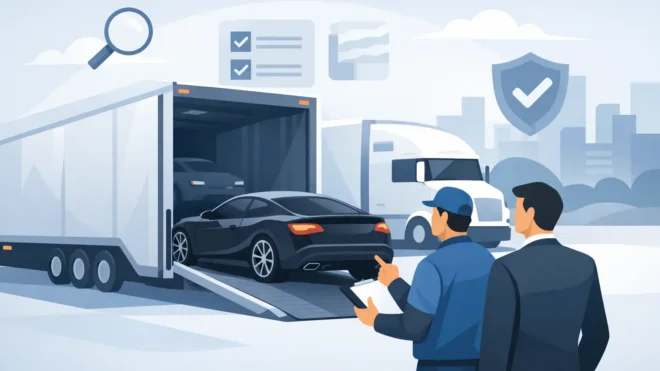
A cross-country drive can add hundreds or thousands of miles, expose a vehicle to road debris, and turn a move or vehicle purchase into a scheduling problem. The best enclosed transport companies make that trip easier by placing your vehicle inside a covered trailer and managing the pickup-to-delivery details for you. For owners of classics, luxury vehicles, exotics, and newly purchased cars, that additional protection can make the added cost worthwhile.
Enclosed shipping is not automatically necessary for every vehicle or route. An everyday commuter car on a flexible schedule may be well served by open transport. But when condition, privacy, weather exposure, or peace of mind matters most, choosing the right enclosed carrier is a practical decision, not an indulgence.
What Separates the Best Enclosed Transport Companies
A polished website and a low quote are not enough to judge a transport provider. The right company should make the process clear before your vehicle is loaded, remain available while it is in transit, and deliver with documented care.
Start with the type of equipment being offered. An enclosed trailer shields a vehicle from rain, snow, sun, dust, and road debris. That protection is especially valuable for low-clearance vehicles, collector cars, vehicles with custom paint, and cars being moved to or from an auction, show, or dealership. Ask whether the carrier uses liftgate loading, soft tie-downs, or other procedures suited to your vehicle. These details can matter more than a broad promise of “premium” service.
Insurance is another essential conversation. A reliable transport company should explain its cargo coverage in plain language and tell you what documentation is needed if damage is found. Before pickup, confirm the coverage amount, any exclusions, and the condition-report process. Take clear, time-stamped photos of your vehicle from every angle, including the wheels, roof, windshield, and interior when appropriate. A careful pre-shipment inspection protects everyone involved.
Communication also separates a worry-free shipment from a frustrating one. You should know who is coordinating your transport, what pickup window to expect, and how you will receive updates if schedules change. Trucking routes are affected by traffic, weather, loading time, and federal driving-hour rules. A company that gives realistic expectations is usually more valuable than one that promises an exact delivery time it cannot control.
How to Compare Enclosed Vehicle Transport Quotes
A quote should help you understand the service, not leave you guessing about what is included. Enclosed transport generally costs more than open carrier shipping because covered trailers have limited capacity, specialized equipment, and higher operating costs. Price can also change based on route demand, distance, season, vehicle size, and how quickly you need pickup.
When comparing quotes, make sure each company is pricing the same level of service. One quote may include door-to-door transport while another assumes pickup at a nearby large parking area. One may be for standard enclosed space, while another may reflect expedited service or a trailer equipped for very low-clearance vehicles. The lowest number is not always the lower-cost choice if it does not match your actual needs.
Ask direct questions before booking:
- Is this quote for enclosed transport from pickup to delivery?
- Does it include door-to-door service, or are meeting locations required?
- What pickup and delivery windows should I plan around?
- What cargo insurance applies to my vehicle during transit?
- Are there extra charges for oversize vehicles, inoperable vehicles, rush service, or difficult access?
A reputable advisor should answer these questions without pressure. If the quote changes, you should understand why before approving any updated price.
Door-to-Door Service Has Practical Limits
Door-to-door service means the driver will get as close to your requested locations as safely and legally possible. Large enclosed carriers cannot always enter narrow residential streets, apartment complexes, cul-de-sacs, or areas with low trees and tight turns.
In those cases, the driver may suggest a nearby wide street, shopping center, or truck-friendly lot. This is normal and often protects your vehicle and the carrier from avoidable risk. The key is advance coordination. Let your transport advisor know about access restrictions, gated communities, low bridges, or limited parking before dispatch.
Match the Service to Your Vehicle and Timeline
The right enclosed shipping plan depends on what you are moving and why. A restored 1960s muscle car headed to a show deserves different handling than a daily-driven SUV being shipped during a household relocation. Both can be transported safely, but the equipment, timing, and budget priorities may differ.
For a classic, exotic, or high-value vehicle, ask about low-clearance loading and secure tie-down methods. For an inoperable vehicle, disclose the condition early. A non-running car can often be shipped, but the carrier needs the right loading equipment and enough space to manage it safely. For trucks and larger SUVs, provide accurate dimensions and note modifications such as lift kits, oversized tires, roof racks, or aftermarket accessories.
Timing deserves the same attention. Standard shipping is a good fit when you have flexibility around pickup and delivery windows. Expedited transport can be a better option when a relocation date, auction deadline, dealership need, or event schedule cannot move. It costs more, but it can reduce uncertainty when timing is the priority.
Seasonality also affects availability. Snowbird routes, holiday weeks, severe weather, and busy relocation months can all influence pricing and pickup schedules. Booking early gives your transport coordinator more options and may make it easier to secure enclosed capacity for a specific timeframe.
Prepare Your Vehicle for Enclosed Shipping
A few simple steps help pickup go smoothly and make condition reporting accurate. Wash the exterior so existing scratches, chips, or dents are visible. Remove personal belongings, toll tags, loose accessories, and valuables. Transporters are focused on moving vehicles, not household goods, and personal items can create safety, weight, or insurance complications.
Keep the fuel tank at about one-quarter full unless your carrier gives different instructions. Check for fluid leaks, secure any loose parts, and make sure the battery is charged. If your vehicle has an alarm, provide instructions for disabling it. For specialty vehicles, give the driver any necessary starting, loading, or shifting guidance before the inspection begins.
At pickup, review the bill of lading carefully with the driver. This document records the vehicle’s condition before transport. Do not rush through it. Note existing damage clearly and keep a copy for your records. At delivery, inspect the vehicle again before signing the final paperwork. If you see a concern, document it immediately and contact your transport coordinator while the driver is present.
Choose Support You Can Reach
Vehicle shipping involves moving parts, even when the process is well planned. The carrier may need to adjust a pickup time because of weather, a customer may need help coordinating a delivery contact, or a low-clearance vehicle may require special loading instructions. Accessible support makes those moments easier to manage.
Look for a company that asks useful questions about your vehicle, route, timeline, and preferred communication. A dedicated advisor should help you choose between enclosed, open, or expedited service instead of pushing a one-size-fits-all option. AutoPlex Transport coordinates nationwide vehicle shipping with that practical, customer-focused approach, helping owners arrange service around the needs of the vehicle and the realities of the route.
Before you book, take a few minutes to compare the protection, communication, equipment, and scheduling behind each quote. A well-planned enclosed shipment lets you hand over the keys with confidence, keep your long-distance plans moving, and meet your vehicle at the destination without the wear of the road.
