
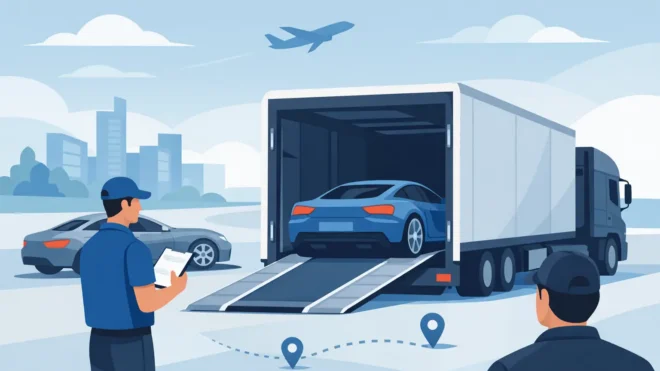
A cross-country drive can add hundreds or thousands of miles, expose a vehicle to road debris, and turn a move or purchase into a difficult scheduling problem. This enclosed vehicle transport guide helps you decide whether protected shipping is the right fit, understand the process, and prepare for a worry-free pickup and delivery.
Enclosed transport places your vehicle inside a covered trailer rather than on an open carrier. The trailer shields it from weather, highway grime, loose gravel, and the everyday exposure that comes with long-distance travel. For many owners, that added protection is worth the higher price, especially when the vehicle has financial, personal, or collector value.
When Enclosed Vehicle Transport Makes Sense
Enclosed shipping is often the preferred choice for classic cars, exotic vehicles, luxury models, restored vehicles, and low-clearance cars. It is also a practical option for a newly purchased vehicle that you want delivered in the same condition shown in the listing, or a family vehicle you simply do not want exposed to a long interstate trip.
The decision is not only about the make and model. Consider the vehicle’s condition, replacement cost, route, season, and your own comfort level with risk. A daily-driver sedan headed 300 miles in mild weather may be well served by open transport. A collector car traveling from Florida to Colorado in winter, or a premium SUV moving across several states, may justify the added protection of an enclosed carrier.
Enclosed trailers can also provide better security by keeping the vehicle out of public view during transit. That does not mean open transport is unsafe. Open carriers move a large number of vehicles safely every day. The difference is the level of protection and privacy you want for your shipment.
How the Enclosed Shipping Process Works
A reliable transport experience starts with accurate information. When requesting a quote, provide the vehicle year, make, model, pickup and delivery ZIP codes, desired dates, and whether the vehicle is running. Let your transport advisor know about modifications, unusually low ground clearance, oversized tires, or any condition that could affect loading.
Once you choose a service level and schedule, a carrier is assigned based on the route and availability. Pickup timing is usually provided as a window rather than a single guaranteed hour, since drivers must coordinate traffic, weather, federal driving-hour rules, and multiple vehicle stops. Clear communication before pickup helps prevent surprises.
At pickup, the driver completes a vehicle inspection and records the current condition on a Bill of Lading. Walk around the vehicle with the driver. Point out existing scratches, chips, dents, or mechanical concerns, and take dated photos from several angles for your records. This takes only a few minutes and gives everyone a clear starting point.
The vehicle is then loaded, secured inside the trailer, and transported to the delivery area. At delivery, inspect it again before signing the final paperwork. Compare the vehicle to your pickup photos and the Bill of Lading. If you see a concern, document it with the driver before completing the inspection.
What Affects Enclosed Transport Pricing
Enclosed shipping generally costs more than open carrier service because enclosed trailers have fewer available spaces, higher operating costs, and specialized loading requirements. The final rate depends on the details of your move, not just the mileage.
Distance is a major factor, but it is not the only one. Popular routes may have more carrier availability than remote pickup or delivery areas. A non-running vehicle requires extra labor and equipment. Larger trucks and SUVs take up more trailer capacity than compact cars. Expedited service can raise the price because it limits the carrier’s ability to build an efficient route.
Seasonality matters, too. Snowbird routes can become more competitive during fall and spring migrations, while severe winter weather can affect schedules in northern states. If your dates are flexible, sharing that flexibility with your advisor may create more carrier options.
Be cautious about choosing a quote based only on the lowest number. A realistic quote should reflect your vehicle, route, service type, and timing. Ask what is included, how pickup is coordinated, and who will be available to answer questions during the shipment. Clear expectations are more valuable than a price that changes when it is time to schedule.
Preparing Your Vehicle for an Enclosed Carrier
A little preparation protects your vehicle and helps the driver load it safely. Wash the exterior so its condition is easy to see during the inspection. Remove personal belongings, toll tags, parking passes, and loose aftermarket accessories. Carriers are focused on transporting the vehicle itself, and unsecured items can shift or create confusion during inspection.
Keep the fuel level at roughly one-quarter tank. This gives the driver enough fuel to move the vehicle during loading and delivery without adding unnecessary weight. Check that the battery is charged, the tires are properly inflated, and any fluid leaks are disclosed in advance.
If your vehicle has special operating instructions, provide them before pickup. Examples include alarm procedures, an immobilizer, a manual battery disconnect, a low front splitter, or a custom ignition sequence. Owners of low-clearance vehicles should confirm that the carrier can accommodate careful loading, often with lift gates or extended ramps.
It is best to remove valuable loose items from the cabin and trunk. Vehicle shipping is not household moving, and personal property may not be covered under the carrier’s cargo insurance. If you have a convertible, secure the top. If you have a specialty vehicle, ask whether any additional preparation is recommended for its specific design.
Pickup and Delivery Logistics to Plan For
Door-to-door service means the carrier aims to get as close to your address as safely and legally possible. However, enclosed trailers are large commercial vehicles. Narrow residential streets, low-hanging branches, tight turns, homeowner association rules, and local parking restrictions can make curbside loading impractical.
In those situations, your driver may suggest a nearby wide street, shopping center, truck stop, or other accessible meeting point. This is a normal part of professional vehicle shipping, not a reduction in service. Choosing a safe, open location allows the driver to load and unload without risking your vehicle, the trailer, or surrounding property.
You or an authorized adult should be available at both ends of the shipment. If someone else will meet the driver, make sure they have the keys, understand the inspection process, and can be reached by phone. Prompt communication is especially helpful when the carrier is approaching the pickup or delivery area.
Questions to Ask Before You Book
Before committing to enclosed transport, ask whether the service is truly enclosed for the full route and whether your vehicle will be handled with equipment suited to its clearance and condition. Confirm the expected pickup window, estimated transit time, payment terms, and inspection process.
You should also ask about cargo insurance and how claims are handled if damage is noted at delivery. A professional transport provider should explain the process in plain language and encourage a thorough inspection. If an answer feels vague, ask for clarification before your vehicle is scheduled.
For customers moving a standard vehicle, a premium car, or an entire household’s vehicles on separate carriers, the right recommendation may differ. A dependable advisor will discuss your route, budget, and protection needs rather than pushing one service for every shipment.
Choose Protection That Fits the Vehicle
Enclosed transport is a service built around careful handling and reduced exposure, but the best option is the one that matches your circumstances. If your vehicle is rare, newly restored, high-value, low-clearance, or simply too important to leave exposed to the elements, covered shipping can offer meaningful peace of mind.
AutoPlex Transport can help you review your route and vehicle details, explain available options, and coordinate a pickup plan that works for your schedule. Request a quote or call to discuss your shipment with an advisor. A few clear details at the start can make the entire move feel far more manageable.
