
A cross-country move can leave you managing leases, flights, work schedules, and a home full of boxes. Adding a 1,500-mile drive to the list is not always realistic. Vehicle logistics gives you a practical way to move your car, truck, SUV, or specialty vehicle while you focus on getting yourself where you need to be.
The right transport plan is not simply about finding a carrier with available space. It is about choosing the protection level, pickup window, and delivery approach that fit your vehicle, route, and timeline. With clear coordination before pickup, auto shipping can remove the fatigue, mileage, and uncertainty of a long-distance drive.
What Vehicle Logistics Means for Your Move
Vehicle logistics is the planning and transportation process used to move a vehicle from one location to another. For most individual customers, that means arranging a carrier to pick up a vehicle near their current home and deliver it near a new home, office, dealership, or another agreed location.
A professional transport provider coordinates the route, carrier assignment, pickup timing, vehicle inspection, and delivery communication. Instead of trying to manage every moving part on your own, you have a point of contact who can help match the service to your needs.
This matters whether you are relocating for work, sending a vehicle to a college student, buying a car online, or returning to a seasonal residence. It also helps dealerships, collectors, and families moving more than one vehicle. The goal is straightforward: get the vehicle where it needs to go with the appropriate level of care and without putting unnecessary miles on it.
Start With the Right Shipping Method
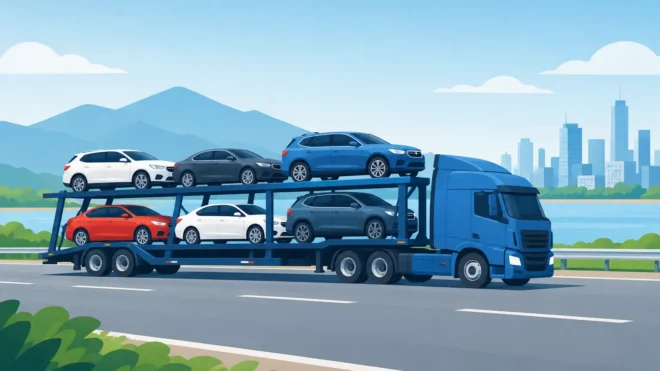
The best transport option depends on the vehicle and the level of protection you want. Open carrier transport is the most common choice for standard cars, trucks, and SUVs. Vehicles are secured on a multi-car trailer, similar to the carriers commonly seen delivering new vehicles to dealerships. It is a reliable, cost-conscious option for many domestic moves.
Enclosed transport provides added protection from weather, road debris, and outside exposure. It is often a better fit for classic cars, luxury vehicles, exotic models, restored vehicles, or any vehicle whose owner wants an extra layer of protection during transit. Because enclosed trailers have more limited capacity, this service can cost more and may require additional scheduling flexibility.
Expedited shipping may make sense when your schedule is especially tight. A quick pickup request can be helpful when a job start date changes, a sale is closing, or a move comes together faster than expected. However, speed can affect pricing and carrier availability. If your dates are flexible, you will usually have more options for arranging the shipment.
Door-to-door service is another practical consideration. In most cases, the carrier picks up and delivers as close to your chosen addresses as safely and legally possible. Large transport trucks may not be able to enter narrow residential streets, gated communities, or areas with low-hanging trees. When that happens, your driver may arrange a nearby meeting point such as a wide street, shopping center, or truck-friendly lot.
The Details That Shape Your Vehicle Shipping Quote
A vehicle shipping quote is based on more than mileage. The route is a major factor, but the type of vehicle, current market demand, season, service level, and pickup flexibility also affect the price.
Larger or heavier vehicles can require more trailer space and fuel. A full-size pickup, oversized SUV, or modified vehicle may need special consideration compared with a standard sedan. Inoperable vehicles can also be transported, but they typically require equipment for loading and unloading, so it is essential to disclose the vehicle’s condition when requesting a quote.
Popular routes between major metro areas may have more regular carrier traffic. Remote pickup or delivery locations can take longer to coordinate because the carrier may need to travel farther off the main route. The same is true during periods of high demand, including snowbird season, holidays, and peak moving months.
Accurate information makes planning easier. When you request a quote, provide the year, make, model, pickup and delivery ZIP codes, desired dates, and any details that could affect loading. Mention lowered suspension, oversized tires, roof racks, mechanical issues, or a vehicle that does not start. A clear description helps prevent surprises and supports a smoother pickup.
How the Transport Process Typically Works
Once you choose a service, the process should feel organized rather than complicated. First, confirm the basic shipment details: addresses, contact information, vehicle type, preferred dates, and the service you selected. If someone else will be present for pickup or delivery, make sure that person has the necessary information and can inspect the vehicle.
Before the carrier arrives, remove personal belongings and loose items from the vehicle. Most auto carriers are licensed to transport vehicles, not household goods, and personal items can create safety, weight, and coverage concerns. Remove toll tags, parking passes, and valuables. If you are shipping a convertible, ensure the top is secure. If your vehicle has an alarm, provide instructions for disabling it if needed.
It is also smart to wash the exterior or at least make the vehicle clean enough for an accurate condition check. Take dated photos from several angles, including close-ups of any existing scratches, dents, or paint chips. Keep these photos until delivery is complete.
At pickup, the driver performs a vehicle inspection and documents the condition on a bill of lading or inspection report. Review it carefully before signing. The vehicle is then loaded, secured, and transported along the planned route. Transit time varies by distance, weather, traffic, delivery sequence, and regulatory driving-hour limits. A reputable provider will set realistic expectations instead of promising an exact arrival time that cannot be controlled.
At delivery, inspect the vehicle again before signing the final paperwork. Compare its condition with the pickup report and your photos. If you have any concern, document it immediately with the driver and contact your transport coordinator for assistance.
Timing: What to Expect From Pickup to Delivery
Auto transport works on pickup windows rather than appointment times in many cases. Drivers must account for traffic, previous deliveries, weather conditions, loading time, and federal safety rules that limit driving hours. A pickup window gives the carrier the flexibility needed to build an efficient route while keeping you informed.
For a smoother experience, avoid booking too close to a flight, closing date, or moving deadline when possible. If you must work around a firm schedule, say so early. Your transport advisor can help you weigh standard scheduling against expedited options and determine whether a different pickup location would make the route easier.
Delivery planning deserves the same attention. Confirm that you or a trusted representative can be available, and choose a location where a large carrier can safely access the area. A few minutes of advance planning can prevent avoidable delays on delivery day.
Protecting Your Vehicle Before It Ships
Preparation is one of the simplest ways to protect your vehicle and reduce stress. Leave only a small amount of fuel in the tank, typically enough for loading and unloading. Check for fluid leaks, make sure the battery is charged, and ensure the tires are properly inflated. If there are special starting instructions, write them down and share them with the driver.
For specialty, classic, or premium vehicles, enclosed shipping can provide additional peace of mind. It is also wise to discuss ground clearance and any custom features before booking. A vehicle with very low clearance may require special loading equipment or handling procedures.
Do not assume the lowest quote is automatically the best value. A very low price may leave little room for reliable carrier coordination, communication, or the service level your vehicle needs. Look for a provider that explains the options clearly, answers questions directly, and treats your vehicle as more than another load on a route.
Choose Support That Makes the Process Easier
Good vehicle logistics combines professional carrier coordination with responsive customer support. You should know what service you are booking, what to prepare, and who to contact if your plans change. That is especially valuable when you are already balancing a relocation, a purchase, or a complicated family schedule.
AutoPlex Transport helps customers arrange nationwide vehicle shipping based on their route, vehicle type, timing, and preferred protection level. Whether you need open carrier shipping for a daily driver or enclosed transport for a vehicle that needs extra care, the right plan begins with a clear quote and a direct conversation.
Your vehicle has a destination, and your time has value. Share your pickup and delivery details early, ask the questions that matter to you, and choose a transport plan that lets you arrive ready for what comes next.
