
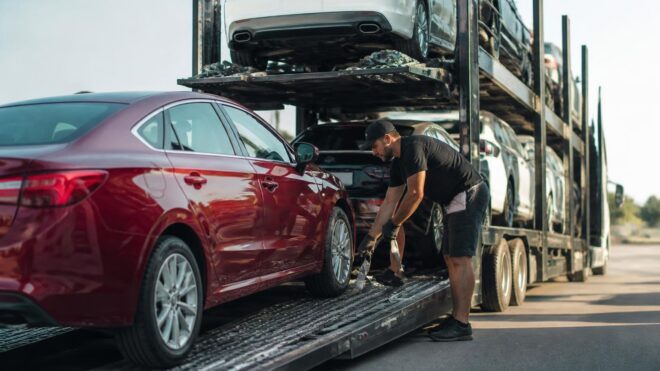
Moving a vehicle across the country requires careful planning and the right transportation method. Open carrier car shipping represents the most popular and cost-effective solution for transporting vehicles nationwide, accounting for approximately 90% of all auto transport shipments in 2026. This method involves loading vehicles onto large, multi-level trailers that can carry between six and ten cars simultaneously, exposing them to weather and road conditions during transit. Understanding how this service works, its advantages, and when to choose it helps vehicle owners make informed decisions about their transportation needs.
Understanding Open Carrier Transportation
Open carrier car shipping utilizes specialized trailers designed to transport multiple vehicles simultaneously on exposed platforms. These carriers come in two primary configurations: single-level and multi-level designs. Multi-level trailers maximize capacity by stacking vehicles on two decks, allowing carriers to transport more cars per trip and distribute costs across multiple customers.
The loading process follows strict protocols outlined in federal motor carrier regulations to ensure vehicle security during transport. Professional drivers position each vehicle carefully on the trailer, using wheel chocks, tie-down straps, and chains to prevent movement. The National Highway Traffic Safety Administration provides detailed guidance on proper securement techniques, including specific tie-down placement requirements that carriers must follow to maintain safety standards.
Types of Open Carrier Trailers
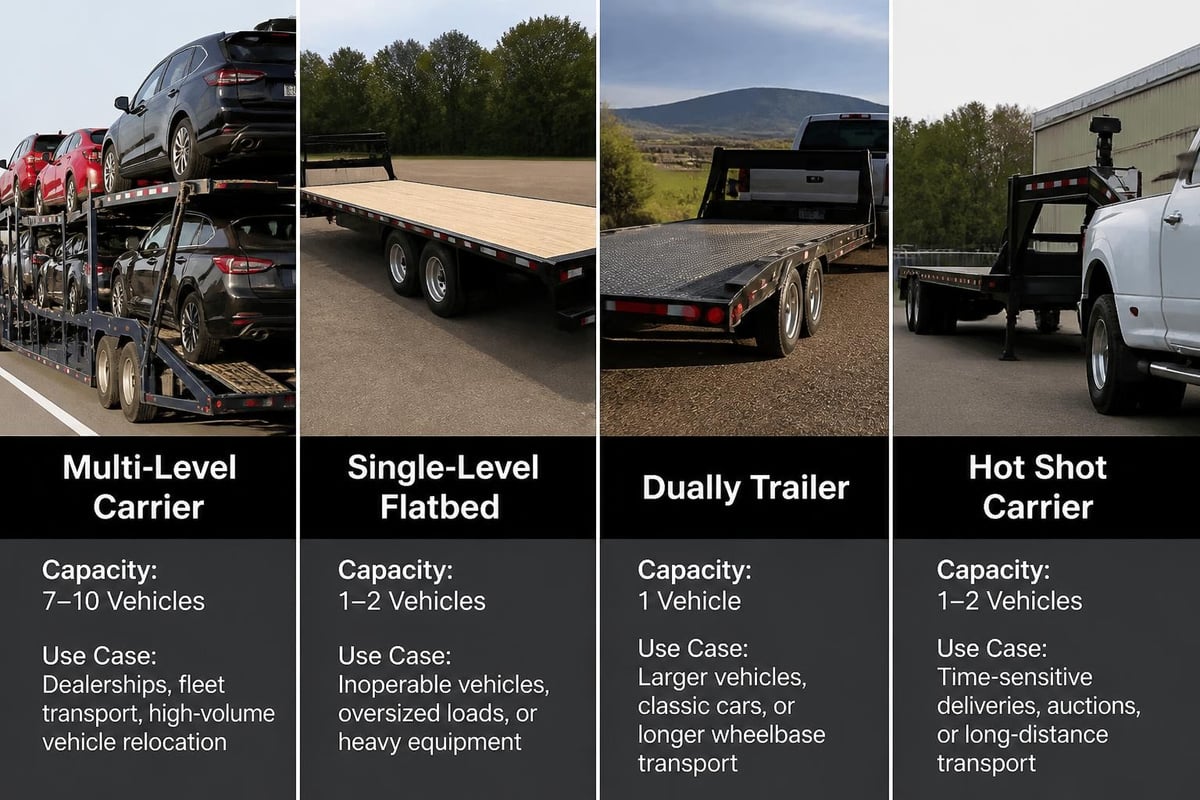
Different trailer configurations serve specific transportation needs and route requirements:
- Standard Multi-Level Carriers: Two-deck trailers carrying 7-10 vehicles, ideal for cross-country routes
- Single-Level Flatbeds: Lower-profile trailers for oversized or modified vehicles
- Dually Trailers: Smaller capacity (2-4 vehicles) for specialized or expedited shipments
- Hot Shot Carriers: Single or dual-vehicle trailers offering faster delivery times
Cost Advantages and Pricing Factors
Open carrier car shipping typically costs 30-40% less than enclosed transport, making it the preferred choice for most vehicle owners. The price difference stems from higher capacity utilization and lower operational costs. In 2026, average open carrier rates range from $0.60 to $1.20 per mile, depending on multiple factors.
Several variables influence the final shipping cost for your vehicle:
- Distance: Longer routes benefit from economies of scale, with per-mile rates decreasing
- Route Popularity: High-traffic corridors like California to Texas cost less than remote areas
- Vehicle Size and Weight: Larger vehicles occupy more space and reduce carrier capacity
- Seasonal Demand: Summer months and snowbird migration periods command premium rates
- Pickup and Delivery Locations: Door-to-door service costs more than terminal-to-terminal
- Vehicle Condition: Inoperable vehicles require special equipment and handling
| Distance Range | Average Cost | Per-Mile Rate |
|---|---|---|
| 0-500 miles | $400-$600 | $0.80-$1.20 |
| 500-1,000 miles | $600-$900 | $0.75-$0.90 |
| 1,000-2,000 miles | $900-$1,400 | $0.60-$0.70 |
| 2,000+ miles | $1,400-$2,000 | $0.55-$0.65 |
Regional services like car transport in Nassau County or vehicle shipping in Bronx County may have different pricing structures based on urban accessibility and local regulations.
Weather Protection and Vehicle Safety
The most common concern about open carrier car shipping involves exposure to weather elements during transit. Modern carriers implement protective measures to minimize weather-related risks. Vehicles regularly drive through rain, snow, and sun under normal conditions, and carrier transport subjects them to similar exposure over compressed timeframes.
Rain and moisture rarely cause damage to vehicles designed for outdoor use. Factory paint finishes and weatherproofing protect against water intrusion during typical transport durations of 3-10 days. Drivers monitor weather conditions and adjust routes when severe storms threaten cargo safety.
Road debris poses a more realistic concern than weather. Highway speeds can kick up rocks, gravel, and other materials that may cause minor chips or scratches. Most transport companies carry cargo insurance to cover such incidents, though pre-existing damage should be documented before shipping.
Pre-Transport Vehicle Preparation
Proper preparation minimizes risks and ensures smooth transportation:
- Remove or secure loose external accessories (antennas, spoilers, bike racks)
- Clean the vehicle thoroughly to facilitate accurate condition documentation
- Maintain tire pressure at recommended levels
- Ensure battery charge and fluid levels are adequate
- Disable alarm systems to prevent drain and disturbance
- Remove personal belongings (insurance typically doesn't cover personal items)
- Document existing damage with photographs and written notes
Insurance Coverage and Liability Protection
Federal regulations require all licensed auto transport carriers to maintain cargo insurance, but coverage levels and deductibles vary significantly. Consumer Reports recommends verifying a carrier's insurance coverage before booking, requesting proof of current policies directly from their insurance provider.
Standard carrier insurance typically covers damage that occurs during loading, transport, and unloading. However, deductibles ranging from $0 to $500 may apply. Understanding the coverage structure helps vehicle owners make informed decisions about supplemental insurance.

Coverage Options and Considerations
| Coverage Type | What's Included | Typical Limits |
|---|---|---|
| Carrier Liability | Damage during transport | $100,000-$250,000 per vehicle |
| Comprehensive Gaps | Protects against carrier deductibles | $0-$500 deductible coverage |
| Personal Auto | May extend to transport (check policy) | Varies by policy |
Many vehicle owners maintain comprehensive coverage through their personal auto insurance, which may extend protection during transport. Contact your insurance agent to verify whether your policy covers vehicles in carrier custody and whether filing a claim would affect your rates.
Booking Process and Timeline Planning
Scheduling open carrier car shipping requires advance planning, particularly during peak seasons. Most carriers recommend booking 2-4 weeks before your desired pickup date to secure competitive rates and preferred timing. Last-minute bookings often incur rush fees of 20-30% above standard rates.
The typical booking process follows these steps:
- Request quotes from multiple carriers to compare pricing and services
- Verify credentials including USDOT numbers, MC numbers, and insurance certificates
- Review contract terms carefully before signing, noting cancellation policies and payment schedules
- Schedule pickup window (carriers typically provide 1-3 day windows rather than exact times)
- Prepare vehicle following carrier-specific guidelines
- Complete inspection with driver at pickup, documenting vehicle condition
- Track shipment through carrier updates during transit
- Inspect at delivery before signing bill of lading
Transit times vary based on distance and route complexity. Cross-country shipments typically take 7-14 days, while regional moves like car transport to Albany County or shipping within Broome County may complete within 3-5 days.
Recognizing and Avoiding Transport Scams
The auto transport industry attracts fraudulent operators who exploit uninformed consumers. Recent investigations by Kiplinger identified four prevalent scams targeting vehicle shippers in 2026, particularly affecting seasonal movers and snowbirds.
Lowball pricing represents the most common scam tactic. Fraudulent brokers quote unrealistically low prices to secure deposits, then claim prices increased due to "market conditions" or cancel altogether. Legitimate open carrier car shipping rates follow industry standards; quotes significantly below market averages signal potential fraud.
Unlicensed operators lack proper authority and insurance to transport vehicles legally. Verify carrier credentials through the Federal Motor Carrier Safety Administration database using their USDOT and MC numbers. Licensed carriers display these numbers prominently on their websites and documentation.
Red Flags and Warning Signs
Watch for these indicators of potentially fraudulent carriers:
- Requests for large upfront deposits (legitimate carriers typically require 10-20%)
- No physical address or verifiable business location
- Pressure tactics demanding immediate decisions
- Unwillingness to provide insurance certificates or licensing information
- Company name mismatches between quote, contract, and payment requests
- Cash-only payment requirements
- Absence of online reviews or established reputation
Regional services through established companies like transport in Garden City or shipping in Amherst typically maintain verifiable track records and transparent business practices.
Open Carrier vs. Enclosed Transport Comparison
Choosing between open carrier car shipping and enclosed transport depends on vehicle value, condition, and personal risk tolerance. Both methods provide reliable transportation, but they serve different needs and budgets.
Open carrier advantages include lower costs, wider availability, and faster scheduling. The abundance of open carriers means more frequent departures and flexible routing options. Standard vehicles, daily drivers, and most sedans, SUVs, and trucks transport safely via open carriers without issues.
Enclosed transport suits high-value vehicles, classics, exotics, or cars with custom modifications worth protecting. The enclosed environment shields vehicles from weather, road debris, and prying eyes, but costs 40-60% more than open carrier options.
| Factor | Open Carrier | Enclosed Transport |
|---|---|---|
| Cost | $600-$1,400 (avg 1,000 miles) | $1,000-$2,200 (avg 1,000 miles) |
| Availability | High (90% of carriers) | Limited (10% of carriers) |
| Scheduling | 1-2 weeks typical | 2-4 weeks typical |
| Vehicle Protection | Weather exposed | Fully enclosed |
| Best For | Standard vehicles, daily drivers | Classics, exotics, luxury cars |
Most vehicle owners choose open carrier car shipping for practical and economic reasons. The minimal additional risk doesn't justify the substantial cost premium for vehicles valued under $50,000 or those regularly driven in similar conditions.
Seasonal Considerations and Timing Strategies
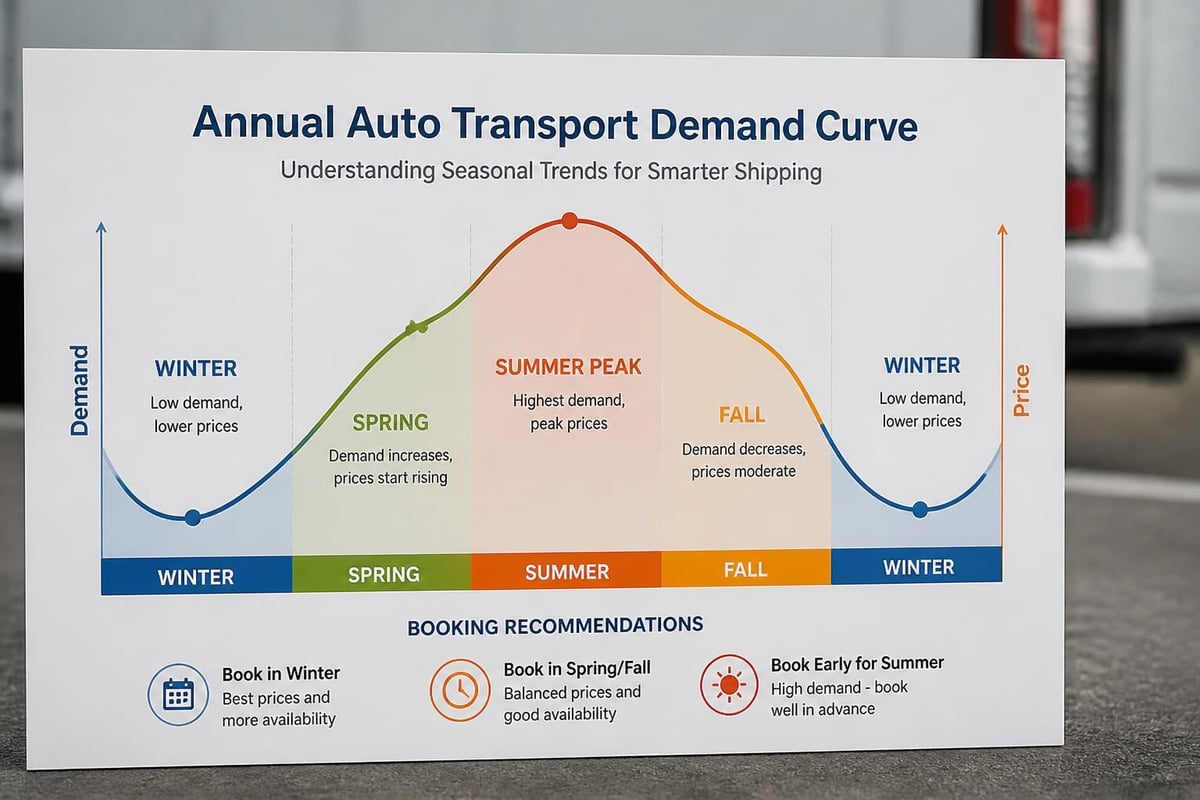
Transport demand fluctuates significantly throughout the year, affecting both pricing and availability. Understanding seasonal patterns helps vehicle owners optimize timing and costs for their shipments.
Summer months (June-August) represent peak season, with families relocating and students moving vehicles to college. Carriers operate at near-full capacity, commanding premium rates and longer booking windows. Planning summer moves requires 4-6 weeks advance notice to secure reasonable pricing.
Winter snowbird migration (October-November and March-April) creates directional demand imbalances. Southbound routes to Florida, Arizona, and Texas fill quickly in fall, while northbound shipments dominate spring schedules. Counter-seasonal moves often negotiate better rates due to carrier repositioning needs.
Off-peak periods (January-February) offer the best pricing opportunities. Reduced demand allows carriers to offer discounts to fill capacity, sometimes reducing rates by 20-30% compared to peak season.
Door-to-Door vs. Terminal Transport Options
Open carrier car shipping offers two primary delivery models: door-to-door and terminal-to-terminal service. Each approach balances convenience against cost considerations.
Door-to-door service provides maximum convenience by picking up and delivering vehicles at specified addresses. Carriers navigate residential streets when accessible, though some urban areas or locations with restricted truck access may require meeting at nearby accessible points. This premium service typically adds $100-$200 to total costs but eliminates the need for vehicle owners to arrange transportation to terminals.
Terminal-to-terminal service reduces costs by consolidating pickups and deliveries at carrier facilities. Vehicle owners drop off and retrieve their cars at designated terminals, usually located near major highways or transportation hubs. This option works well for customers with flexible schedules and nearby terminal access, such as those using services in Orleans County or Cayuga County.
Accessibility and Logistics Planning
Large car carriers measure 70-80 feet long and require significant clearance for safe operation. Residential areas with narrow streets, low-hanging trees, or tight turns may necessitate alternative pickup locations. Professional carriers conduct route assessments before scheduling pickups to identify potential access issues.
When booking door-to-door service:
- Verify street accessibility for large commercial vehicles
- Identify nearby alternatives if residential access proves impossible
- Clear the pickup/delivery area of obstacles (parked cars, debris)
- Ensure adequate overhead clearance (13-14 feet minimum)
- Communicate any access restrictions or HOA regulations during booking
Special Situations and Non-Standard Vehicles
While open carrier car shipping primarily serves standard passenger vehicles, carriers accommodate various special situations with appropriate planning and equipment. Modified vehicles, inoperable cars, and oversized trucks each present unique considerations.
Inoperable vehicles require winch-equipped carriers and incur additional fees of $100-$300. Carriers must know about mechanical issues before arrival, as standard equipment cannot load non-running vehicles safely. Disclose any starting, shifting, or braking problems during booking to ensure proper equipment assignment.
Modified or lowered vehicles may require single-level trailers to prevent ground clearance issues during loading and unloading. Aftermarket modifications affecting ride height, width, or length must be communicated upfront to prevent delays or damage during transport.
Oversized vehicles including lifted trucks, commercial vans, or vehicles with roof racks may occupy multiple standard vehicle spaces, affecting pricing. Carriers calculate charges based on space consumption rather than strict vehicle count.
Documentation and Special Instructions
Providing detailed vehicle information ensures appropriate carrier assignment and prevents complications:
- Exact dimensions (height, width, length including modifications)
- Weight specifications for heavily modified vehicles
- Operational status (runs, shifts into neutral, brakes function)
- Special handling requirements or fragile components
- Access equipment needs (forklift, winch, tilt bed)
Inspection and Damage Claims Process
Thorough documentation protects both vehicle owners and carriers in the event of transport damage. The inspection process begins at pickup and concludes at delivery, creating an official record of vehicle condition throughout the shipping cycle.
Pre-transport inspection occurs when the driver arrives for pickup. Both parties examine the vehicle together, noting existing damage, scratches, dents, or mechanical issues on the bill of lading. This document becomes the legal record of pre-shipment condition. Take detailed photographs from multiple angles, including close-ups of any existing damage, with timestamps enabled.
Delivery inspection repeats the process upon arrival at the destination. Before signing the bill of lading, inspect the vehicle carefully in good lighting conditions. Note any new damage immediately on the delivery receipt, photographing issues from multiple angles. Signing without notation may complicate later claims.
Filing Damage Claims
If damage occurs during transport, follow these steps to maximize claim success:
- Document immediately: Photograph damage and note on delivery receipt before driver departs
- Notify carrier within 24 hours: Most contracts require prompt notification
- Gather evidence: Compile pre-transport photos, delivery photos, and signed bill of lading
- Obtain repair estimates: Visit reputable body shops for professional damage assessments
- Submit formal claim: Follow carrier's specific claims process and deadlines
- Maintain communication: Keep records of all correspondence regarding the claim
Most legitimate carriers process valid claims within 30-60 days, though complex situations may require additional investigation. Disputes may involve insurance adjusters, independent inspections, or mediation.
Preparing for Vehicle Delivery
Successful vehicle delivery requires coordination and preparation from both carrier and recipient. Understanding delivery protocols prevents delays and ensures smooth handoff.
Carriers typically provide 24-hour advance notice before delivery, specifying an estimated arrival window. The recipient or authorized agent must be present with valid identification to accept the vehicle and sign the bill of lading. Arranging backup contacts prevents missed deliveries if original recipients become unavailable.
Payment completion occurs at delivery for most shipments. Carriers accept various payment methods, though cash or certified funds are often preferred for balance-due amounts. Clarify payment requirements during booking to avoid delivery complications.
Vehicle functionality check should occur immediately upon delivery. Verify that the car starts, shifts, brakes, and operates normally. Test all accessories, lights, and features documented as functional during pickup. Immediate notification allows carriers to address issues while drivers remain on-site.
Open carrier car shipping provides a reliable, cost-effective solution for transporting vehicles across the country when you understand the process and choose reputable carriers. The combination of competitive pricing, widespread availability, and proven safety records makes this method the preferred choice for millions of vehicle owners annually. Whether you need professional vehicle transportation for a cross-country move, seasonal relocation, or vehicle purchase, AutoPlex Transport offers comprehensive door-to-door and terminal services backed by full insurance coverage and experienced drivers who treat your vehicle with the care it deserves.
