
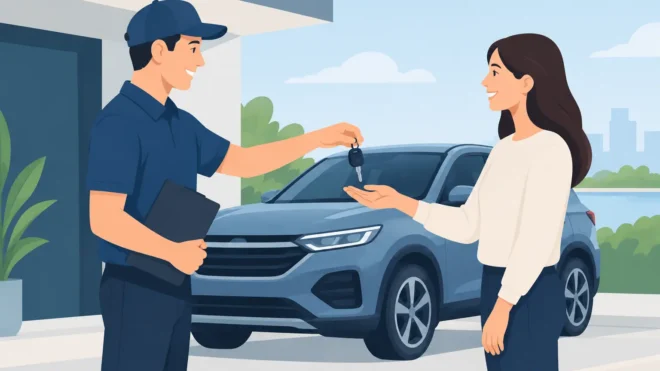
A move, a work trip, or a delayed flight should not force you to miss your vehicle’s arrival. Can someone else receive vehicle delivery on your behalf? In most cases, yes. You can designate a trusted person to meet the carrier, inspect the vehicle, and sign the delivery paperwork, as long as the arrangement is communicated clearly before delivery.
That advance coordination matters. A vehicle carrier operates on a tight route and may have limited time at each stop. Giving your transport coordinator the recipient’s name, phone number, and availability helps prevent missed calls, delivery delays, and unnecessary storage or redelivery costs.
Who Can Receive a Vehicle Delivery?
The person receiving your vehicle does not always need to be the registered owner. It can be a spouse, family member, friend, neighbor, employee, buyer, dealership representative, or relocation contact. What matters is that they are authorized by you and able to complete the handoff responsibly.
Choose someone who can be available within the delivery window, answer calls from the driver, and examine the vehicle carefully. They should also be comfortable signing the bill of lading, which is the delivery document used to record the vehicle’s condition and confirm receipt.
For a smooth handoff, provide the recipient’s full name and direct phone number when you book transport or as soon as you know they will be receiving the vehicle. If plans change during transit, notify your transport advisor promptly rather than relying on the driver to sort out an unexpected change at the last minute.
What the Authorized Recipient Needs to Do
Receiving a shipped vehicle is straightforward, but it is more than simply accepting the keys. The recipient is your eyes and ears at delivery. Before the carrier leaves, they should compare the vehicle’s condition with the pickup inspection noted on the bill of lading.
Ask them to walk around the car, truck, or SUV in good lighting if possible. They should look at the exterior, wheels, glass, mirrors, and any areas noted on the original inspection. They should also check that personal items, accessories, and keys included with the shipment are present.
If the vehicle arrives in the same condition recorded at pickup, the recipient can sign the bill of lading and accept delivery. If they notice new damage, they should document it before signing. Clear photos, detailed notes, and an accurate notation on the bill of lading are essential. Signing without recording a concern can make it harder to address later.
The recipient should not feel pressured to rush through the inspection. Carriers need to keep moving, but a careful five- to ten-minute review protects everyone involved.
Identification and paperwork
Requirements can vary by carrier and shipment details, but your designated recipient should have a government-issued photo ID available. They may also need the order number, delivery address, vehicle details, or a copy of written authorization from you.
Written authorization is especially helpful when the delivery recipient has a different last name than the owner, the vehicle is being delivered to a business, or there may be questions about who is allowed to accept it. A simple email or message confirming the recipient’s name and authority is often enough, but ask your transport coordinator whether a specific form is needed for your shipment.
If the vehicle is leased, financed, part of an estate, or being delivered to a dealership, there may be additional requirements. The carrier can transport the vehicle, but ownership, title, registration, and dealership policies are separate matters. Confirm those details with the appropriate lender, dealer, or legal representative before scheduling delivery.
Arrange Delivery Access Before the Carrier Arrives
One of the most common delivery issues has nothing to do with authorization. It is access. Large auto transport trucks may not be able to enter narrow residential streets, gated communities, downtown areas, low-clearance locations, or crowded apartment complexes.
Your designated recipient should know the planned delivery location and have a backup meeting point ready. A nearby wide street, shopping center parking lot, or other safe open area can be a practical option when the truck cannot reach the exact address. The driver will coordinate the final meeting location based on local access and safety conditions.
Make sure the recipient has their phone on, can meet the driver promptly, and understands that delivery windows are estimates rather than exact appointments. Traffic, weather, loading delays, and other customers on the route can affect timing. Flexibility makes the process much easier.
Payment Can Change the Plan
Whether someone else can receive your vehicle may also depend on how the transport balance is being paid. If payment is due at delivery, decide in advance who will provide it and which payment method the carrier accepts.
Do not assume a recipient can use any form of payment. Some carriers may require certified funds, a cashier’s check, cash, or another agreed method for the remaining balance. Your transport advisor can explain the payment terms before pickup, giving you time to prepare the recipient.
If you will be unavailable and want to eliminate payment confusion, handle as much as possible before the vehicle ships when that option is available. Clear payment arrangements help the driver complete delivery quickly and allow your recipient to focus on the vehicle inspection.
A Simple Way to Prepare Someone Else for Delivery
Before the scheduled delivery window, send your recipient the vehicle description, carrier contact information, and your shipment details. Let them know where the spare key is located if applicable, whether the vehicle has a special starting procedure, and whether it contains approved personal items.
It also helps to send them photos taken before pickup. Those photos give them a quick reference during the delivery inspection. If your vehicle has existing dents, scratches, aftermarket equipment, or mechanical issues, point those out in advance so they know what to expect.
Give the recipient clear instructions: inspect first, note any new concerns on the bill of lading, take photos if something looks wrong, and contact you before finalizing paperwork if they have a question. This preparation is particularly valuable for classic cars, luxury vehicles, and specialty vehicles shipped in enclosed transport, where condition documentation deserves extra attention.
When the Owner Should Be There Instead
Having someone else receive the vehicle is convenient, but it is not always the best choice. You may want to be present if you are concerned about a specific condition issue, if the vehicle has high value, or if you need to verify mechanical operation immediately after delivery.
Owner attendance can also be useful when the destination has complicated access, payment arrangements are unusual, or the delivery is tied to a sale or dealership transaction. If you cannot attend, choose a recipient who understands the responsibility and can communicate confidently with the driver.
AutoPlex Transport helps customers coordinate these details before the carrier arrives, including authorized recipients, delivery access, timing expectations, and the service level that fits the vehicle. A quick conversation before booking can prevent avoidable issues later.
The best delivery plan is the one that gives your vehicle a safe handoff and gives your chosen recipient clear direction. Tell your transport coordinator who will receive the vehicle, keep that person available by phone, and make sure they are ready to inspect before the keys change hands.
