
A rock chip on a daily driver is annoying. A rock chip on a restored classic, luxury vehicle, or exotic car can feel a lot worse. That is usually the moment people start asking whether an enclosed car transport service is worth it.
For many vehicles, open shipping does the job well and keeps costs lower. But when protection matters more than price alone, enclosed transport gives owners a different level of confidence. It shields the vehicle from road debris, weather, and constant exposure during a long trip, which is why it is often the preferred choice for collectors, high-end vehicle owners, dealerships, and anyone moving a car they simply do not want to risk.
What an enclosed car transport service actually does
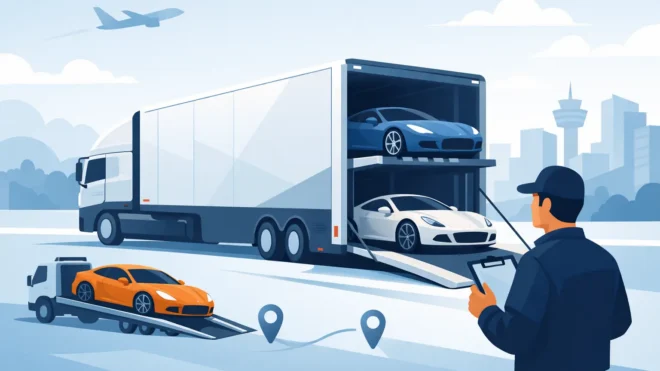
An enclosed car transport service moves your vehicle inside a covered trailer rather than on an open carrier. That sounds simple, but the difference is meaningful. Your car is not sitting out in rain, dust, sun, or highway grime for hundreds or even thousands of miles.
The trailer itself is designed to reduce outside exposure throughout transit. Depending on the equipment and route, vehicles may also benefit from features like lift gates or lower-angle loading, which can be especially helpful for low-clearance cars. That matters if you are shipping a sports car, antique vehicle, custom build, or any car with bodywork you want handled carefully.
This option is not only for six-figure exotics. It also makes sense for family heirloom vehicles, freshly painted cars, specialty trucks, or online purchases where the buyer wants extra protection before the vehicle even arrives.
When enclosed transport is the right choice
The best shipping option depends on the vehicle, the route, the timing, and your comfort level with exposure on the road. Open transport remains a reliable choice for many standard vehicles. Enclosed shipping becomes the better fit when the vehicle itself raises the stakes.
High-value and collector vehicles
If the car is rare, restored, collectible, or expensive to repair cosmetically, enclosed shipping is usually the safer call. Owners of classic cars often choose it because replacement parts, paint matching, and bodywork are not always simple or cheap.
Luxury, exotic, and low-clearance cars
Luxury sedans, performance vehicles, and exotic models often need more careful loading and more protection in transit. An enclosed trailer helps reduce exposure, and the equipment used may be better suited to vehicles that sit lower to the ground.
Long-distance moves and seasonal relocation
Cross-country shipping exposes a vehicle to more weather changes and road conditions than a shorter route. If you are relocating for work, heading to a seasonal home, or sending a car across several states, enclosed service can provide more peace of mind over a longer haul.
Vehicles with sentimental value
Not every important vehicle has the highest market value. Some cars matter because they have been in the family for years or represent a project that took time and money to finish. In those cases, owners often choose enclosed shipping because the goal is not just transport. It is preserving condition.
The trade-off: more protection, higher cost
The main reason people hesitate on enclosed shipping is cost. That is understandable. An enclosed car transport service usually costs more than open transport because the trailer carries fewer vehicles, the equipment is more specialized, and the level of protection is higher.
For some customers, that premium is easy to justify. Protecting a classic Mustang, custom show truck, or luxury SUV from avoidable road exposure makes sense. For others, especially if they are shipping a standard commuter car, open transport may be the more practical option.
There is no one-size-fits-all answer here. The right choice comes down to how much the vehicle is worth to you, what kind of route it is traveling, and how strongly you want to reduce transit exposure.
What affects enclosed car transport service pricing
Price is shaped by more than the trailer type. Distance plays a major role, of course, but so do the pickup and delivery locations, vehicle size, timing, and current carrier availability.
A larger SUV will generally cost more to ship than a compact coupe because it takes up more space and adds weight. Remote areas can also affect pricing because carriers may need to go farther off major routes for pickup or delivery. If you need faster scheduling, expedited transport may increase the total as well.
Season matters too. Demand often changes throughout the year, especially on popular snowbird routes and during major relocation seasons. If you are planning around a specific move date or auction schedule, it helps to request a quote early so there is time to coordinate the best option.
How the process works
Customers are often surprised by how straightforward shipping can be when the process is handled well. The goal is to remove the burden of a long drive, not replace it with a logistics headache.
It usually starts with a quote based on your route, vehicle, timeline, and service level. From there, pickup is scheduled and the carrier coordinates the transport plan. At pickup, the vehicle is inspected and its condition is documented before loading. After transit, a final inspection takes place at delivery.
Good communication makes a big difference here. A dependable transport partner will walk you through scheduling, explain what to expect, and stay available if questions come up along the way. That support matters just as much as the trailer type, especially if you are shipping a valuable vehicle for the first time.
How to prepare your vehicle for enclosed transport
Preparation is simple, but it should not be rushed. Start by washing the vehicle so the condition is easy to inspect. Existing cosmetic marks are easier to document on a clean surface than on one covered in dust.
Remove personal items from the cabin unless you have been told otherwise. Secure or remove loose accessories, and make sure the battery is charged, tires are properly inflated, and there are no active fluid leaks. It is also smart to leave only a small amount of fuel in the tank – enough for loading and unloading, but not a full tank.
If the car has special operating instructions, unusual dimensions, or very low ground clearance, mention that before pickup. The more your transport coordinator knows up front, the smoother the process tends to be.
Choosing the right enclosed car transport service
Not every transport provider offers the same level of support, and with enclosed shipping, details matter. You want a company that treats your vehicle like something more than a slot on a trailer.
Look for clear communication, realistic scheduling, and a straightforward booking process. Ask how pickup and delivery are handled, what kind of trailer is being used, and whether the company regularly moves luxury, classic, or specialty vehicles. A provider that understands the difference between shipping a daily driver and shipping a collector car is more likely to match you with the right service from the start.
This is where a company like AutoPlex Transport can make the process easier. When customers have direct access to advisor support and a full range of shipping options, it becomes much simpler to choose the service level that fits the vehicle and the route.
Is enclosed shipping worth it?
If your top priority is the lowest possible price, maybe not. If your priority is added protection, careful handling, and less exposure during transit, it often is.
That is the real decision point. You are not only paying for transportation. You are paying for a more controlled environment for the vehicle while it moves from pickup to delivery. For classic cars, premium vehicles, show cars, and sentimental vehicles, that added protection is often the reason owners book with confidence.
The best shipping experience starts with choosing the option that matches the vehicle, not just the budget. If you are weighing enclosed transport for an upcoming move, purchase, or seasonal relocation, getting a quote is the easiest way to see what makes sense for your route and timeline. A short conversation now can save a lot of stress once shipping day arrives.
