
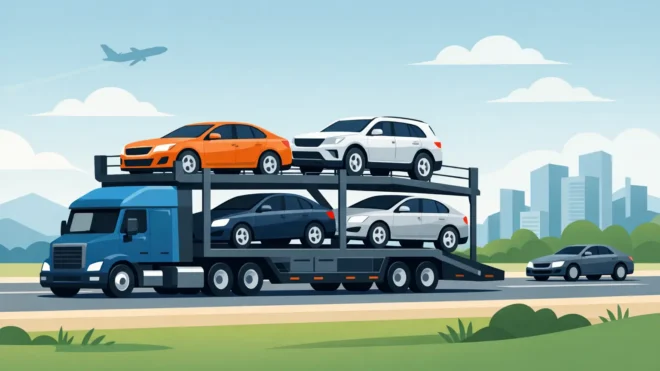
If you have ever passed a two-level trailer loaded with vehicles on the highway, you have seen open carrier car shipping in action. It is the most common way cars are moved across the country, and for many vehicle owners, it is the most practical balance of cost, speed, and convenience.
For people relocating, buying a car out of state, sending a vehicle to a family member, or avoiding a long interstate drive, open transport is often the first option worth considering. It is widely available, efficient on major routes, and well suited for standard cars, trucks, and SUVs. The key is understanding what it does well, where the trade-offs are, and how to prepare your vehicle so the move feels straightforward from pickup to delivery.
What open carrier car shipping means
Open carrier car shipping refers to transporting vehicles on an open trailer rather than inside a fully enclosed one. The trailer typically carries multiple vehicles at the same time, which helps keep pricing more affordable than enclosed transport.
Because the trailer is open to the elements, your vehicle may be exposed to weather, road dust, and normal travel conditions during transit. That sounds like a drawback, and in some cases it is. But it is also why this method is so widely used. It is efficient, available in most markets, and generally the best fit for everyday vehicles that do not require extra shielding.
This is the same shipping method many dealerships and manufacturers use to move inventory. That alone gives many customers peace of mind. Open transport is not a niche option. It is the standard choice for routine auto transport across the United States.
Why so many customers choose open transport
The biggest reason is value. Open shipping usually costs less than enclosed shipping because the carrier can move several vehicles on one trailer and the equipment itself is more common. If your goal is to move a vehicle safely without paying for added protection you may not need, open transport often makes sense.
Availability is another major advantage. There are more open carriers on the road, which can make scheduling easier, especially on common interstate routes and between major cities. If timing matters, that larger carrier network can help reduce delays in booking.
It is also a practical choice for standard daily drivers. If you are shipping a sedan, SUV, pickup, or family vehicle, open transport is usually the service people choose first. For many customers, it provides the right level of protection for the right price.
When open carrier car shipping makes the most sense
Not every shipment has the same priorities. Some customers care most about keeping the cost down. Others need the fastest realistic pickup window. Others simply want to avoid putting hundreds or thousands of miles on a vehicle. Open transport works well in all of those situations.
It is a strong fit for household moves, college relocations, military transfers, snowbird travel, online car purchases, and dealership transfers. If the vehicle is a standard model and you are comfortable with normal exposure during transport, open shipping is often the easiest route.
It also works well when flexibility matters. On heavily traveled routes, open carriers tend to have more scheduling options than enclosed carriers. That can be especially helpful when you are coordinating a move, a home closing, or travel dates that are already crowded.
The trade-offs to understand before booking
Open transport is popular for good reasons, but it is not the right answer for every vehicle. Because the trailer is not enclosed, your car can be exposed to rain, sun, dust, and occasional road debris. Most shipments arrive without any issue beyond needing a wash, but the exposure is real and should be part of your decision.
That matters more for certain vehicles than others. If you are shipping a rare collectible, a high-end exotic, or a freshly restored classic car, enclosed transport may be a better fit. Paying more for extra protection can be worth it when the vehicle has unusual value or a finish you want to protect as much as possible.
Pickup and delivery conditions can also affect the process. Large trailers may not be able to access narrow streets, low branches, apartment lots, or crowded urban areas. In those cases, the carrier may arrange a nearby meeting point for safer loading and unloading. That is normal, but it helps to know ahead of time.
How the process works from quote to delivery
The process is usually simpler than people expect. It starts with the basics: your pickup location, delivery location, vehicle type, and preferred timeline. Those details help determine route availability, trailer space, and pricing.
Once your shipment is scheduled, the carrier coordinates a pickup window. On the day of pickup, the driver performs a vehicle inspection and records the condition of the car before loading it onto the trailer. This inspection is important because it creates a clear record of the vehicle’s condition at the start of transport.
During transit, the vehicle moves along the planned route with other cars on the trailer. Delivery timing depends on distance, traffic, weather, route density, and scheduling across multiple stops. When the carrier arrives, the vehicle is unloaded and inspected again so the condition can be confirmed at delivery.
For customers who want the experience to feel organized rather than stressful, communication matters just as much as the transport itself. A reliable shipping partner should make expectations clear, explain timing honestly, and help you understand what happens at each step.
What affects the price of open transport
Distance is the biggest factor, but it is not the only one. Route popularity, seasonal demand, vehicle size, fuel costs, and how flexible your pickup window is can all influence the final price.
A compact sedan moving between major metro areas on a common route will usually cost less than a large truck shipping to or from a rural location. Timing also matters. During peak seasons, including summer moves and snowbird travel periods, prices can rise due to demand.
Urgency can change the cost too. If you need faster scheduling or tighter timing, expedited service may carry a higher rate. If your dates are flexible, you may have more room to find an efficient option.
The lowest quote is not always the best value. Clear communication, dependable timing, and careful handling matter. A slightly higher rate can be worth it if it comes with better coordination and fewer surprises.
How to prepare your vehicle for shipping
A little preparation goes a long way. Wash the vehicle so the pre-transport inspection is easier to complete accurately. Remove personal items from the interior, since auto carriers generally are not meant to transport household belongings inside the vehicle.
Make sure the car has a working battery, properly inflated tires, and no major fluid leaks. Keep the fuel tank around a quarter full. That is enough for loading and unloading without adding unnecessary weight.
It is also smart to disable toll tags, secure or remove loose accessories, and take date-stamped photos before pickup. If there are existing scratches or dents, documenting them gives you added peace of mind.
Open vs. enclosed transport
This decision comes down to your vehicle, budget, and comfort level. Open transport is the more affordable and more widely available option. It is ideal for most everyday vehicles and for customers who want reliable shipping without paying for premium protection they do not need.
Enclosed transport offers more shielding from weather and road exposure, but it usually costs more and may have more limited scheduling. It makes the most sense for luxury, collectible, antique, or specialty vehicles where extra protection is the priority.
For many customers, the decision is simple. If the vehicle is a standard personal car and the goal is safe, efficient delivery, open shipping is often the best fit. If the vehicle is unusually valuable or sensitive, enclosed service may be worth the upgrade.
Choosing a transport company with confidence
A shipping company should do more than assign a carrier and hope for the best. You want a team that answers questions clearly, explains the timeline honestly, and helps match the service to your vehicle and route.
That is where customer support makes a real difference. A dependable provider will help you understand whether open transport is the right choice, what your pickup window should look like, and how delivery may work in your area. If your route or vehicle calls for a different solution, they should say so directly.
For customers comparing options, the best experience usually comes from working with a company that treats the process like a service, not just a transaction. AutoPlex Transport is built around that kind of support, with practical guidance, nationwide coordination, and a focus on moving vehicles safely without making the process harder than it needs to be.
If open carrier car shipping sounds like the right fit for your move, the next step is simple: get clear pricing, ask the questions that matter, and book with a team that makes the process feel organized from the first call.
