
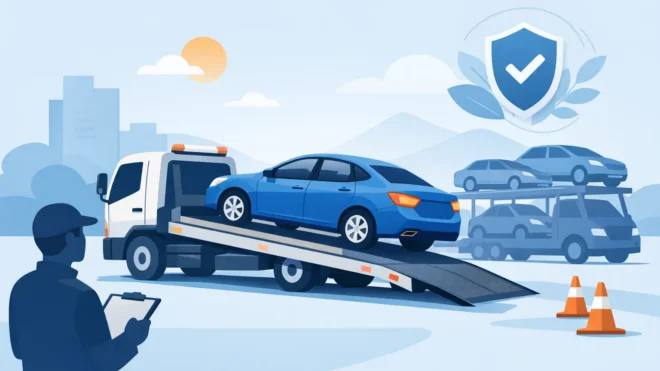
A car that will not start changes the shipping plan, but it does not have to stop your move, sale, repair, or relocation. Knowing how to transport a non running car starts with giving the carrier an accurate picture of its condition. A vehicle that rolls and steers is handled differently from one with locked wheels, flat tires, or missing keys.
Professional auto transport is usually the safest answer for a disabled vehicle traveling across town or across the country. The right carrier, loading equipment, and pickup preparation protect your car while keeping the process straightforward and worry-free.
Start With an Honest Assessment of the Vehicle
Before requesting a shipping quote, identify what the car can and cannot do. “Non-running” can describe a vehicle with a dead battery, an engine problem, collision damage, or a restoration project that has not moved in years. Those details directly affect the type of truck and equipment needed.
Let the transport coordinator know whether the vehicle rolls freely, steers, has working brakes, and can be placed in neutral. Also mention low ground clearance, missing wheels, leaking fluids, a broken windshield, or any parts that are loose. A car that rolls and steers can often be loaded with a winch. A vehicle that cannot roll may require dollies, a forklift arrangement at pickup, or specialized equipment.
Accurate information is more than a formality. It helps prevent pickup delays, avoids an unsuitable carrier arriving at your location, and allows the shipping team to plan safe loading from the beginning.
Choose the Right Way to Transport a Non Running Car
For most disabled vehicles, a professional auto carrier is the practical choice. Driving is not an option, and asking a friend to tow a car a long distance can add substantial safety, mechanical, and insurance risks. The best shipping method depends on the vehicle’s condition, value, route, and timeline.
Open carrier transport
Open transport is the most common and cost-conscious option. Your vehicle travels on a multi-car trailer, the same type frequently used to move new and used vehicles nationwide. It is a reliable fit for many daily drivers, project cars, and vehicles headed to a repair shop, dealership, or new home.
Because the vehicle is exposed to normal road and weather conditions, open transport may not be the preferred choice for a rare collector car or a vehicle with a newly completed restoration. Still, for many customers, it offers the right balance of safe handling, availability, and value.
Enclosed carrier transport
Enclosed transport places the vehicle inside a covered trailer for added protection from weather, road debris, and outside exposure. It is often the better option for classic cars, luxury vehicles, high-value purchases, or vehicles with delicate bodywork.
An enclosed carrier can also make sense for a non-running car with a significant restoration investment. It typically costs more than open transport, and carrier availability can vary by route, but the additional protection may be worth it when condition is a top concern.
Flatbed towing for local moves
If the destination is nearby, a flatbed tow truck may be appropriate. This can work well when a car needs to go from a home to a local repair facility, body shop, auction site, or storage location. For an interstate move or a long-distance relocation, an auto transport carrier is generally the more efficient and economical solution.
Prepare the Car Before Pickup
A disabled vehicle does not need to be showroom-ready, but a few simple steps can make loading safer and documentation easier. First, remove personal belongings and any loose items inside the cabin. Transport carriers are focused on moving the vehicle itself, and unsecured belongings can shift, break, or complicate the shipment.
Take clear, date-stamped photos of the exterior, interior, wheels, and any existing damage. Photograph scratches, dents, cracked glass, rust, or collision damage from several angles. This creates a useful condition record before the car is loaded.
Keep the keys available, including keys for the doors, trunk, steering lock, and wheel locks if applicable. If no keys exist, say so before booking. The carrier may still be able to transport the vehicle, but the loading approach must be planned in advance.
If the battery works, make sure the vehicle can be shifted into neutral. If it cannot, explain why. Release the parking brake only when the driver instructs you to do so and only if the vehicle can be safely secured. Never leave a disabled vehicle unsecured on a slope while waiting for pickup.
It is also wise to check for active fluid leaks. Small seepage may be manageable, but significant leaks should be disclosed. The carrier needs to know what they are loading so the vehicle can be positioned and secured appropriately.
Make Pickup Access Part of the Plan
Large auto transport trucks need room to turn, park, and load safely. Narrow residential streets, low branches, tight cul-de-sacs, and apartment complexes can make direct pickup difficult. That does not mean door-to-door service is unavailable. It simply may mean meeting the carrier at a nearby shopping center, wide street, or other accessible location.
Choose a pickup area with level ground whenever possible. A winch operation is safer and easier when the carrier can position the truck properly. If the car is stored behind another vehicle, in a garage, or on soft ground, make arrangements to provide clear access before the scheduled pickup window.
At delivery, plan for the same practical considerations. Confirm that someone will be present to receive the vehicle, inspect it, and sign the delivery paperwork. If you cannot be there, arrange a trusted adult contact who understands the car’s condition and has the necessary keys or instructions.
Ask the Questions That Prevent Surprises
When comparing quotes, do not focus only on the price. Non-running vehicles require more planning than vehicles that drive onto a trailer, so an unusually low quote may not include the equipment or handling your car needs.
Ask whether the quoted price includes inoperable vehicle loading and winch service. Confirm whether the carrier has been informed that the car does not run and whether it rolls, steers, and brakes. You should also understand the expected pickup window, delivery estimate, transport type, payment terms, and insurance coverage process.
A dependable transport provider will ask condition questions before assigning a carrier. That is a positive sign. Clear communication protects everyone involved and helps ensure the truck that arrives is equipped for the job.
What Affects the Cost of Shipping a Non-Running Car?
The cost to move a non-running vehicle varies because every route and vehicle condition is different. Distance matters, but it is not the only factor. Vehicle size, pickup and delivery locations, season, carrier availability, urgency, and transport type all influence the quote.
Inoperable vehicles commonly cost more to ship than operable ones because loading takes additional time and may require a winch or other equipment. A full-size SUV with locked wheels will require more effort than a compact sedan that rolls freely. Enclosed transport and expedited service also carry higher rates because they provide added protection or priority scheduling.
The most useful quote is one built around the real condition of your car. Providing complete details upfront can help you avoid last-minute adjustments and gives the carrier the information needed to coordinate a safe pickup.
Inspect the Vehicle at Delivery
When your vehicle arrives, inspect it before completing the delivery paperwork. Compare its condition with the photos you took before pickup and review the bill of lading with the driver. Look over the body panels, glass, wheels, and interior, especially if the vehicle was already damaged or under restoration.
If you see a concern, document it clearly on the delivery paperwork before the driver leaves. Take photos and ask questions on the spot. This is the best time to make sure the condition record is complete.
For a car that does not run, delivery may involve another careful winch operation. Make sure the drop-off location has adequate space and that the vehicle is placed where it can remain safely until repair, storage, or its next move.
A non-running car deserves the same careful planning as any other vehicle, with a little more attention to loading and access. Share the full condition upfront, choose a carrier equipped for inoperable vehicles, and let a professional transport team handle the miles while you stay focused on what comes next.
