
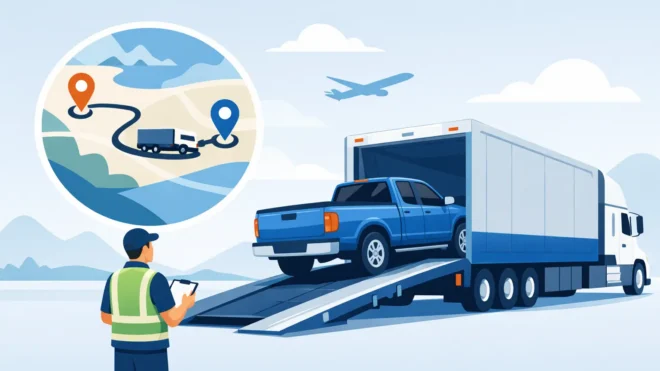
A cross-country drive in a pickup can mean days away from work, hotel stops, fuel costs, tire wear, and thousands of extra miles on the odometer. Knowing how to ship a pickup truck gives you a practical alternative: a qualified carrier picks it up near your location and delivers it near its destination while you focus on the move, sale, purchase, or next job.
Pickup truck shipping is straightforward when the details are planned early. The truck’s size, condition, modifications, route, and timing all affect the type of trailer that fits best and the final transport price. A reliable transport advisor can help you match those details to the right service instead of treating every truck like a standard passenger car.
Choose the Right Way to Ship a Pickup Truck
Most pickups travel on an open auto transport carrier. These are the multi-vehicle trailers commonly seen on highways, and they offer dependable nationwide coverage at the most economical rate. Open transport exposes the vehicle to normal road and weather conditions, but it remains the standard choice for daily drivers, work trucks, dealer inventory, and most personal pickups.
Enclosed transport provides added protection inside a covered trailer. It can be a smart choice for restored classics, luxury trucks, highly customized builds, or pickups with paint and accessories you want to shield from road debris and weather. Because enclosed trailer space is more limited, it usually costs more and may require additional scheduling flexibility.
The right choice depends on the truck and your priorities. A stock half-ton pickup being sent to a new home may be well suited to open shipping. A lifted collector truck with a custom finish may justify the additional protection of enclosed service.
Make Sure the Carrier Knows Your Truck’s Details
Not every pickup occupies the same amount of trailer space. A crew cab with a long bed is significantly different from a compact pickup, and a lifted truck may require a carrier with appropriate clearance and loading equipment. Give accurate information when requesting a quote, including the year, make, model, cab configuration, bed length, and whether it runs and drives.
Also disclose oversized tires, lift kits, roof racks, toolboxes, grille guards, ladder racks, bed caps, winches, or other modifications. These features can affect loading, securement, and carrier availability. Accurate details from the beginning help avoid delays or last-minute price changes.
Get a Quote That Reflects Your Actual Shipment
Pickup shipping costs are based on more than mileage. The route, season, truck size, service type, vehicle condition, and pickup and delivery locations all matter. A major metro-to-metro route typically has more carrier traffic than a remote location, which can make scheduling easier. Expedited service, enclosed shipping, and tight pickup windows can also increase the price.
When comparing quotes, look beyond the lowest number. Ask what service is being quoted, whether the truck’s configuration has been accounted for, and how pickup and delivery communication will work. A useful quote should reflect the information you provided and give you a clear picture of what happens next.
AutoPlex Transport can help coordinate a transport option based on your route, truck type, desired timing, and preferred level of protection. A direct conversation with an advisor is especially helpful for oversized, modified, non-running, or high-value pickups.
Prepare Your Pickup for Carrier Pickup
A little preparation protects both your truck and the shipping process. Start by removing personal items from the cab, bed, under-seat storage, and toolboxes. Auto carriers are designed to transport vehicles, not household goods, tools, equipment, or loose cargo. Personal belongings can shift during transit, add weight, and create issues if the carrier must cross state lines or pass through inspection points.
Wash the exterior enough to make its condition easy to see. Then take clear, time-stamped photos from every angle, including the wheels, windshield, mirrors, bumpers, tailgate, bed, and any existing scratches or dents. This is not about expecting a problem. It is a sensible record that makes the condition report at pickup easier to review.
Before the driver arrives, check the following:
- Leave roughly one-quarter tank of fuel, unless your transport coordinator gives different instructions.
- Make sure the battery is charged, tires are properly inflated, and fluid leaks are disclosed.
- Remove or secure loose exterior accessories, including detachable antennas and aftermarket items that could move in transit.
- Disable alarms if possible, or provide simple instructions for operating them.
- Have one working key available for the driver and keep your spare key with you.
If your pickup does not run, be upfront about it. Non-running trucks can still be shipped, but the carrier may need a winch or specialized loading arrangement. The truck should roll, steer, and brake unless otherwise discussed. Clear information prevents a driver from arriving without the equipment needed to load it safely.
Understand Door-to-Door Pickup and Delivery
Door-to-door transport means the carrier will aim to pick up and deliver as close to your requested addresses as safely and legally possible. For many customers, that is directly at a home, office, dealership, or storage facility. However, a large commercial carrier may not be able to navigate narrow residential streets, low branches, tight turns, steep driveways, or communities with truck restrictions.
If access is limited, the driver may suggest a nearby meeting point such as a wide shopping center lot, truck stop, or another safe open area. This is common and does not mean your shipment is less convenient. It helps protect the truck, trailer, and surrounding property while allowing the loading process to go smoothly.
Pickup and delivery times are generally provided as windows rather than exact appointments. Traffic, weather, loading conditions, and federal driver-hours rules can affect a route. Staying reachable by phone and having a flexible contact available at both ends makes the process much easier.
What Happens During the Vehicle Inspection
At pickup, the driver will inspect the truck and document its visible condition on a bill of lading or vehicle condition report. Review the report before signing it. Point out existing damage and make sure it is noted, then keep a copy for your records.
Your pickup will be loaded, secured, and transported with the other vehicles on the carrier. Depending on the route and trailer layout, it may be loaded on an upper or lower deck. Truck position is determined by safe weight distribution, loading sequence, clearance, and the driver’s operational needs.
At delivery, inspect the pickup again before signing the final paperwork. Compare its condition with the pickup report and the photos you took beforehand. If you notice any new visible damage, note it clearly on the delivery paperwork before the driver leaves and contact your transport coordinator promptly for guidance.
Plan Ahead for a Better Pickup Truck Shipping Experience
Booking early usually gives you more options, especially during busy moving seasons, around holidays, or on routes with limited carrier traffic. If your dates are flexible, share that with your advisor. A broader pickup window can improve carrier availability and may help keep costs more manageable.
Do not assume every truck can be treated as standard transport. A dually, long-bed crew cab, heavily lifted pickup, or truck with a large rack system deserves a detailed conversation before booking. The same is true for trucks being purchased online or moved from an auction, where someone else may need to release the vehicle and provide keys.
For a worry-free shipment, focus on accurate details, realistic timing, and a carrier arrangement that matches your pickup’s actual size and condition. Once the truck is properly prepared and the route is confirmed, shipping it can be far easier than asking your vehicle to absorb another thousand-mile drive.
