
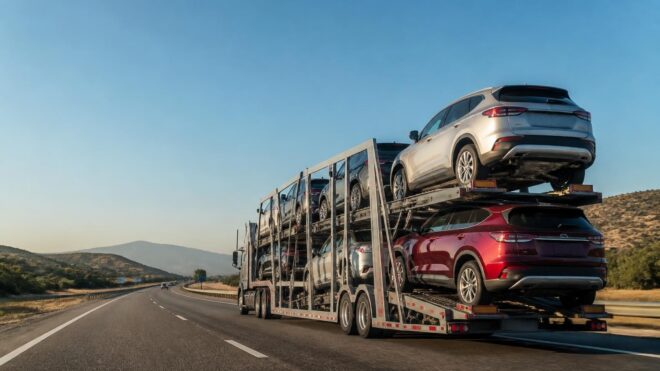
Moving a vehicle across the United States requires careful planning, research, and an understanding of the logistics involved in auto transport. Whether relocating for work, purchasing a car from a distant dealer, or snowbirding between seasonal homes, nationwide vehicle shipping has become an essential service for millions of Americans. Understanding the process, costs, regulations, and carrier options ensures your vehicle arrives safely and on schedule at its destination.
Understanding the Nationwide Vehicle Shipping Process
The journey from pickup to delivery involves multiple coordinated steps that professional auto transport companies manage daily. When you book nationwide vehicle shipping, the process begins with a detailed quote that considers distance, vehicle type, transport method, and current fuel costs. Carriers then schedule your vehicle into their route network, often consolidating multiple vehicles headed in similar directions to optimize efficiency and cost.
Initial Booking and Documentation
Professional transport companies collect essential information during the booking phase to ensure compliance and proper handling. You will need to provide the vehicle identification number (VIN), current registration, proof of ownership, and detailed pickup and delivery addresses. This documentation helps carriers verify the vehicle's specifications, plan appropriate transport equipment, and coordinate timing with both origin and destination contacts.
Most reputable nationwide vehicle shipping companies require a deposit to secure your booking, typically ranging from 10% to 25% of the total transport cost. The remaining balance becomes due upon delivery, with many carriers accepting various payment methods including credit cards, checks, or electronic transfers.

Route Planning and Carrier Assignment
Once booked, your vehicle enters the carrier's dispatch system where route planners assign it to a truck traveling your desired corridor. Major interstate routes between population centers like Houston to New York or Los Angeles to Chicago see frequent service, often with pickups available within days. More remote locations may require additional time as carriers consolidate enough vehicles to justify the route extension.
The car transport services offered by AutoPlex Transport demonstrate how specialized companies coordinate hundreds of shipments monthly across all 50 states, building efficient route networks that balance speed with cost effectiveness.
Choosing Between Open and Enclosed Transport
One of the most significant decisions in nationwide vehicle shipping involves selecting the appropriate carrier type for your vehicle's value, condition, and protection needs. Each transport method offers distinct advantages, cost structures, and risk profiles that suit different scenarios and budgets.
Open Carrier Transport
Open carriers represent the most common and economical option for nationwide vehicle shipping, transporting vehicles on multi-level trailers exposed to weather and road conditions. These carriers handle approximately 90% of all vehicle shipments across the United States, moving everything from daily drivers to dealership inventory.
Benefits of open transport:
- Lower cost (typically 30-40% less than enclosed)
- Greater carrier availability on all routes
- Faster pickup scheduling in most regions
- Proven safety record for standard vehicles
Open carriers protect vehicles through secure tie-down systems and experienced driver handling, though vehicles remain exposed to dust, debris, and precipitation during transit. For most standard passenger vehicles in good condition, this exposure presents minimal risk and represents excellent value.
Enclosed Carrier Transport
High-value vehicles, classic cars, exotic sports cars, and pristine show vehicles warrant the additional protection of enclosed transport. These specialized trailers shield vehicles completely from environmental exposure, providing climate-controlled environments and enhanced security throughout the journey.
| Feature | Open Carrier | Enclosed Carrier |
|---|---|---|
| Average Cost (1,000 miles) | $800-$1,200 | $1,200-$1,800 |
| Vehicles per Load | 7-10 | 2-6 |
| Weather Protection | Minimal | Complete |
| Availability | High | Moderate |
| Typical Use Case | Standard vehicles | Luxury/Classic cars |
The decision between open and enclosed nationwide vehicle shipping often comes down to vehicle value and personal risk tolerance. Consumer Reports provides comprehensive guidance on evaluating which transport method suits your specific situation and budget.
Cost Factors in Nationwide Vehicle Shipping
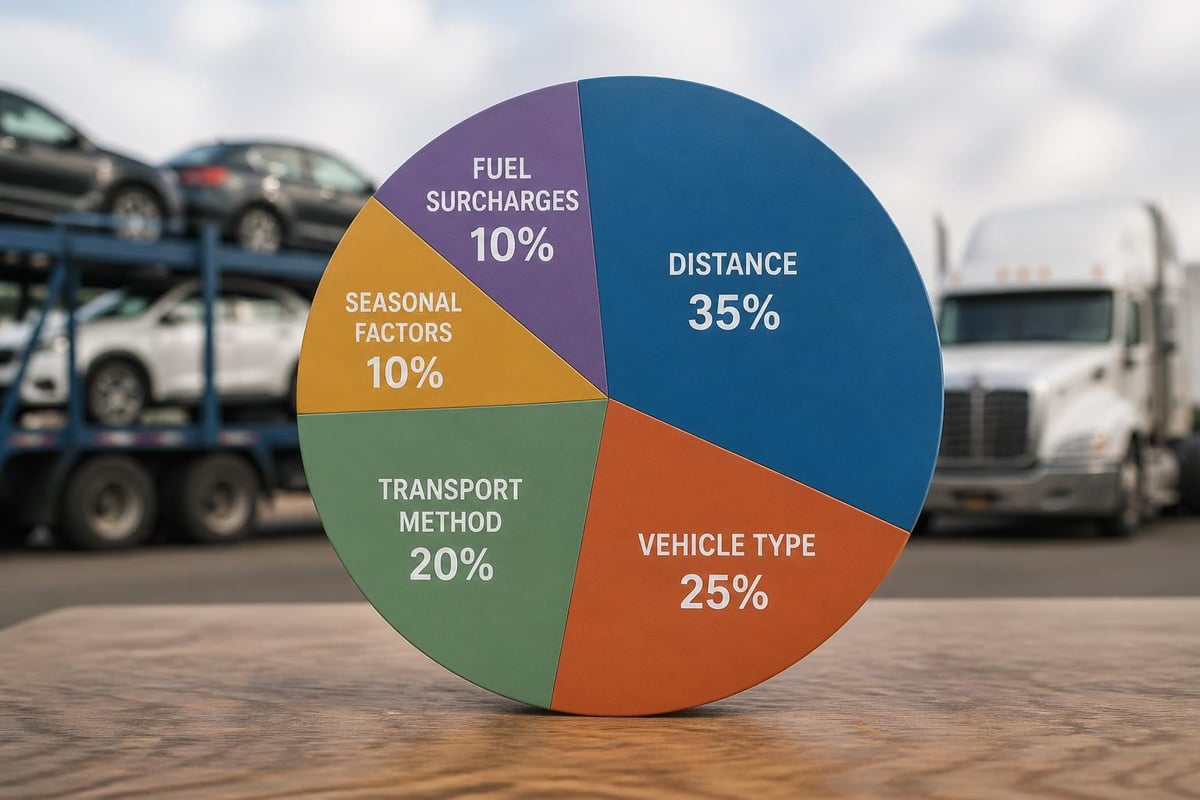
Pricing for auto transport varies significantly based on multiple interrelated factors that carriers evaluate when calculating quotes. Understanding these variables helps you budget accurately and identify competitive pricing in the marketplace.
Primary Cost Determinants
Distance and Route Density represent the foundation of all transport pricing. Popular routes between major metropolitan areas benefit from high carrier traffic and competitive pricing, while shipments to or from rural locations incur additional fees for the extra mileage required. A vehicle shipped from car transport service in Nassau County to Houston typically costs less per mile than transport from a remote Wyoming town to Maine due to route efficiency.
Vehicle Size and Weight directly impact carrier capacity and fuel consumption. Standard sedans occupy less space and weigh significantly less than full-size trucks or SUVs, allowing carriers to transport more vehicles per load. Oversized vehicles may require special permits and routing, increasing costs by 20-40% compared to compact cars.
Seasonal Demand Fluctuations create price variations throughout the year:
- Summer peak season (May-September) sees highest prices due to increased demand from relocations and snowbird returns
- Winter rates (November-February) often drop 10-15% except on snowbird routes to warm states
- Spring and fall offer moderate pricing with good carrier availability
- Holiday periods may include surcharges for expedited service
Additional Cost Considerations
Transport timing flexibility significantly affects final pricing. Expedited nationwide vehicle shipping with guaranteed pickup dates commands premium rates, while flexible scheduling allowing carriers to optimize their routes can reduce costs by 15-25%. Door-to-door service adds convenience but may require additional fees in areas with difficult truck access, where terminal-to-terminal service offers lower-cost alternatives.
Insurance Coverage and Liability Protection
Every reputable nationwide vehicle shipping carrier maintains cargo insurance as required by federal motor carrier regulations, but understanding coverage limits, deductibles, and exclusions protects your interests during transport.
Standard Carrier Insurance
Federal regulations mandate that interstate auto transport carriers maintain minimum cargo insurance coverage, though the specific amounts vary based on the number of vehicles carried. The Insurance Information Institute explains how motor truck cargo policies provide protection for goods in transit, covering physical damage from accidents, rollovers, and other road incidents.
Most professional carriers maintain coverage levels between $100,000 and $1,000,000 per load, which provides substantial protection for multiple vehicles transported simultaneously. However, high-value vehicles exceeding $100,000 may require supplemental coverage or specialized carriers with higher policy limits.
Verifying Coverage Before Shipping
Before committing to any nationwide vehicle shipping company, request and verify current insurance certificates showing:
- Policy number and expiration date
- Coverage limits per vehicle and per incident
- Insurance company name and AM Best rating
- Any exclusions or deductible amounts
- Additional insured provisions
Legitimate carriers provide this documentation readily, while reluctance to share insurance details signals potential problems. Your personal auto insurance may offer limited coverage during transport, though most policies exclude commercial transport situations, making carrier insurance your primary protection.
Supplemental Insurance Options
Owners of high-value, classic, or exotic vehicles should consider supplemental transport insurance beyond standard carrier coverage. Specialty insurers offer policies specifically designed for vehicle transport, covering the full declared value with lower deductibles than standard cargo policies. These policies typically cost 1-2% of the vehicle's insured value and provide comprehensive protection including coverage for minor cosmetic damage that carrier policies might exclude.
Preparing Your Vehicle for Transport
Proper vehicle preparation ensures smooth pickup, prevents damage disputes, and helps carriers handle your vehicle safely throughout its journey. Professional nationwide vehicle shipping companies provide detailed preparation checklists, but understanding the reasoning behind each requirement helps you prepare thoroughly.
Mechanical and Safety Preparation
Carriers require vehicles to be in operable condition or charge additional fees for inoperable vehicle handling. Before transport:
- Ensure the battery holds a charge and the vehicle starts reliably
- Verify tire inflation to recommended pressures with no visible damage
- Check that the parking brake engages properly
- Fill fuel tanks to no more than one-quarter capacity (reduces weight and fire risk)
- Disable alarm systems to prevent activation during transport
Inoperable vehicles require special loading equipment and handling, increasing costs by $150-$300 depending on the degree of immobility. If your vehicle has mechanical issues, communicate them clearly during booking to avoid pickup delays or unexpected charges.
Interior and Exterior Preparation
Remove all personal items from the vehicle interior, as carrier insurance does not cover personal belongings and their presence may violate transport contracts. Items left in vehicles create liability issues if damaged or stolen and add unnecessary weight that carriers factor into capacity planning.
Pre-transport preparation checklist:
- Remove or secure aftermarket accessories (spoilers, bike racks, antennas)
- Document existing damage with dated photographs from all angles
- Clean the vehicle to make inspection easier and damage assessment clearer
- Remove toll tags and parking passes
- Ensure no warning lights are illuminated on the dashboard
- Lock the glove box and console if they contain vehicle documents
Many transport companies, including those providing car transport service in Kings County and other major metropolitan areas, use detailed inspection reports with both pickup and delivery signatures. Your photographic documentation provides additional protection in the unlikely event of damage disputes.
Federal Regulations Governing Auto Transport
Nationwide vehicle shipping operates under comprehensive federal oversight designed to protect consumers and ensure carrier safety and reliability. Understanding these regulations helps you verify carrier legitimacy and know your rights throughout the transport process.
FMCSA Registration and Compliance
The Federal Motor Carrier Safety Administration (FMCSA) requires all interstate auto transport carriers to maintain active registration and comply with safety regulations. Federal regulations under 49 CFR establish comprehensive requirements for carrier operations, insurance, driver qualifications, and vehicle maintenance.
Before booking nationwide vehicle shipping, verify the carrier's or broker's FMCSA registration through the agency's public database. Legitimate carriers proudly display their MC (Motor Carrier) or USDOT numbers and maintain clean safety records accessible through public safety measurement systems.
Broker vs. Carrier Operations
The auto transport industry includes both direct carriers (who own and operate trucks) and brokers (who arrange transport through carrier networks). Both models work effectively, but understanding the distinction clarifies your contractual relationships and liability chain.
Direct carriers:
- Own their equipment and employ their drivers
- Maintain direct control over pickup and delivery timing
- Provide single-point accountability for damage claims
- May have limited route networks compared to broker networks
Brokers:
- Connect customers with extensive carrier networks
- Offer broader geographic coverage and competitive pricing
- Act as intermediaries in the transport relationship
- Must maintain separate surety bonds or trust accounts for customer protection
Quality brokers carefully vet their carrier partners, checking insurance, safety ratings, and performance history before assigning shipments. This screening process benefits consumers by filtering unreliable carriers from the marketplace.

Timing and Scheduling Considerations
Nationwide vehicle shipping timelines depend on distance, route popularity, seasonal demand, and whether you select standard or expedited service. Realistic expectations about timing prevent frustration and help you plan effectively around vehicle availability.
Standard Transit Times
Most cross-country shipments require 7-14 days from pickup to delivery, with regional moves completing faster. A vehicle traveling from Texas to the East Coast typically takes 5-7 days, while coast-to-coast transport averages 10-14 days depending on the specific route and carrier scheduling.
Typical transit times by distance:
| Distance | Standard Transit | Expedited Transit |
|---|---|---|
| 0-500 miles | 1-3 days | 1-2 days |
| 500-1,000 miles | 2-4 days | 1-3 days |
| 1,000-1,500 miles | 4-6 days | 2-4 days |
| 1,500-2,500 miles | 6-10 days | 3-6 days |
| 2,500+ miles | 10-14 days | 5-8 days |
These timeframes represent door-to-door service under normal conditions. Weather events, traffic incidents, and mechanical issues occasionally extend transit times, which quality carriers communicate proactively through tracking updates.
Seasonal and Regional Variables
Certain routes and seasons present unique timing challenges in nationwide vehicle shipping. Snowbird migrations create heavy demand on routes between northern and southern states during spring and fall transitions, potentially extending pickup windows by several days. Winter weather across northern routes may slow transit or require route adjustments to avoid hazardous conditions.
Summer months see peak demand due to increased relocations, college students moving, and military transfers, making early booking essential for preferred timing. Booking 2-4 weeks in advance during peak season secures better rates and more precise scheduling than last-minute arrangements.
Special Vehicle Considerations
Different vehicle types require specialized handling, equipment, or permits during nationwide vehicle shipping. Understanding these requirements ensures you select appropriate carriers and budget accurately for your specific transport needs.
Oversized and Modified Vehicles
Lifted trucks, vehicles with aftermarket modifications, and oversized SUVs may exceed standard carrier height restrictions. Most open carriers accommodate vehicles up to 84 inches tall, while taller vehicles require specialized equipment or lowered suspension during transport. Modified vehicles with low ground clearance also need careful loading to prevent scraping or undercarriage damage.
Motorcycles and Powersports Equipment
Motorcycle transport within nationwide vehicle shipping networks requires specialized crating, wheel chocking, and tie-down methods different from automobile transport. Many carriers offer combination services, transporting motorcycles alongside cars on the same route, providing cost efficiencies for customers moving multiple vehicles.
Classic and Collector Vehicles
Vehicles with significant collector value warrant enclosed transport regardless of distance. The IIHS provides technical information about vehicle construction and handling characteristics that explain why older vehicles with different frame designs, suspension systems, and structural engineering benefit from the controlled environment of enclosed transport.
Classic car owners should discuss specific handling requirements with carriers, including limitations on how many times the vehicle can be started, preferred loading positions, and any mechanical quirks requiring special attention during transit.
International Connections and Import/Export
While focused on domestic transport, nationwide vehicle shipping services often coordinate with international shipping for vehicles entering or leaving the United States. Understanding customs requirements protects you from delays and compliance issues.
Importing Vehicles to the United States
Vehicles entering the country must comply with EPA emissions standards and DOT safety requirements, with specific documentation required at customs entry points. U.S. Customs and Border Protection guidance details the conformity requirements, HS-7 declaration process, and penalties for non-compliant imports.
After clearing customs at ports of entry, vehicles require nationwide vehicle shipping from the port to final destinations across the country. Coordinating domestic transport with international shipping companies ensures seamless transitions and prevents expensive port storage fees for delayed pickups.
Exporting Vehicles from the United States
Americans selling vehicles overseas or relocating internationally need to coordinate domestic transport to departure ports with export documentation requirements. Export documentation timing and procedures must be completed properly to avoid delays in vehicle release at ports.
Nationwide vehicle shipping to major port cities like Houston, Los Angeles, New York, or Miami connects with international shipping services, with professional transport companies often assisting with the coordination between domestic delivery and international departure schedules.
Selecting a Reliable Transport Provider
The auto transport industry includes thousands of carriers and brokers, making provider selection critical to ensuring positive shipping experiences. Research, verification, and clear communication separate professional companies from problematic operators.
Research and Verification Steps
Start your provider search by verifying FMCSA registration and insurance coverage for any carrier or broker under consideration. Check online reviews across multiple platforms, recognizing that all companies receive occasional negative reviews, but patterns of similar complaints signal systematic problems.
Key verification points:
- Active USDOT and MC numbers in good standing
- Current cargo insurance certificates meeting federal minimums
- Satisfactory safety ratings in FMCSA databases
- Transparent pricing without hidden fees
- Clear cancellation and damage claim procedures
- Responsive customer service during the quoting process
Professional nationwide vehicle shipping companies provide detailed quotes in writing, explain their processes clearly, and answer questions patiently without high-pressure sales tactics. Companies like AutoPlex Transport build reputations through consistent service quality, transparent communication, and proper handling of the inevitable occasional issues that arise in logistics operations.
Red Flags to Avoid
Certain warning signs indicate potentially problematic carriers that create more headaches than the cost savings justify:
- Requiring large deposits (over 25%) or full payment upfront
- Inability or unwillingness to provide insurance certificates
- No physical address or legitimate phone contact
- Prices significantly below market averages (often bait-and-switch schemes)
- Pressure to sign contracts immediately without review time
- Poor communication or unavailability after initial contact
Trust your instincts when selecting transport providers. If something feels wrong during initial interactions, the experience likely deteriorates once you have committed to the service and paid deposits.
Tracking and Communication During Transit
Modern nationwide vehicle shipping includes tracking capabilities and communication protocols that keep you informed throughout your vehicle's journey. Understanding what information to expect and when helps manage concerns during the transport period.
Pickup Confirmation and Initial Updates
Professional carriers provide confirmation once your vehicle is loaded, typically including the driver's contact information, truck identification, and estimated delivery window. This confirmation initiates the transport phase where your vehicle moves through the carrier's route network toward its destination.
Most carriers offer tracking updates at major waypoints along the route, though continuous GPS tracking varies by company. Some nationwide vehicle shipping providers offer real-time tracking through mobile apps or web portals, while others provide updates upon request through customer service contacts.
Delivery Coordination
Carriers typically contact delivery recipients 24-48 hours before arrival to coordinate specific timing and location. Door-to-door service means the carrier attempts delivery to your specified address, though large trucks may require meeting at accessible nearby locations in neighborhoods with narrow streets, low-hanging trees, or other obstacles preventing truck access.
Delivery inspections require careful attention to match the vehicle's condition against pickup documentation. Sign bills of lading only after thorough inspection, noting any new damage discovered during the review. Most damage occurs during loading and unloading rather than transit, making these inspection points critical for protecting your interests.
Nationwide vehicle shipping involves numerous considerations from carrier selection through final delivery, but proper preparation and research ensure smooth experiences moving vehicles across the country. Understanding costs, regulations, insurance requirements, and timing expectations positions you to make informed decisions that protect your vehicle and budget. Whether you need to transport a daily driver across state lines or move a valuable classic car to a new home, AutoPlex Transport provides the expertise, insurance coverage, and professional handling that ensures your vehicle arrives safely at its destination in excellent condition.
