
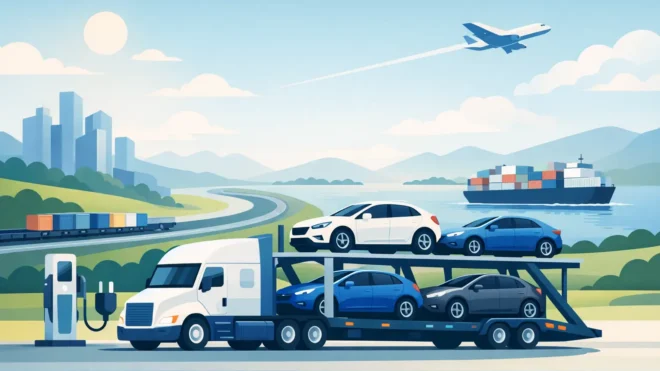
A cross-country move should not begin with a 1,500-mile drive, charging-stop planning, hotel costs, and added wear on your EV. Electric vehicle shipping gives owners a practical way to move a car, truck, or SUV where it needs to go while keeping the trip off the odometer. With the right carrier and a little preparation, your vehicle can be picked up near your home and delivered near your destination without turning relocation into a road trip.
When Electric Vehicle Shipping Makes Sense
Shipping an EV is a smart option whenever driving it yourself would cost too much time, energy, or peace of mind. Many customers use auto transport when relocating for work, moving to a seasonal home, buying an electric vehicle from an out-of-state seller, sending a student vehicle to college, or transporting a vehicle for a family member.
For some routes, driving can look less expensive at first. But fuel or charging costs are only part of the equation. Add meals, overnight stays, time away from work, possible tire wear, mileage accumulation, and the uncertainty of finding compatible charging stations along the route. For premium, classic, or low-mileage EVs, avoiding that additional road exposure can be especially valuable.
Auto transport is also useful when you are coordinating more than one vehicle. One driver can only drive one car at a time. Shipping one or several vehicles allows your family to fly or focus on the move while a professional carrier handles the long-distance transportation.
How EV Shipping Differs From Shipping a Gas Vehicle
The shipping process for an electric vehicle is largely similar to shipping a conventional car. Your vehicle is loaded onto a truck, secured for transit, inspected at pickup and delivery, and transported to the agreed destination. The key differences involve battery charge, vehicle condition, and clear communication about the car’s features.
Most carriers prefer EVs to have a moderate battery charge rather than a full charge or an almost empty battery. A charge level around 30% to 50% is commonly practical, though the exact requirement can vary by carrier and vehicle. This provides enough power for loading and unloading while avoiding unnecessary battery weight and reducing concerns associated with transporting a fully charged vehicle.
Let your transport advisor know that the vehicle is electric when requesting a quote. Provide the year, make, model, whether it runs and drives, and whether it has any special considerations. This matters because EVs can be heavier than similar gas-powered models, sit lower to the ground, or have features that affect loading. Accurate details help match the vehicle with the appropriate trailer and pickup plan.
If your EV has an active battery warning, charging issue, damaged underbody, or a battery involved in an accident, disclose it before booking. A vehicle with known damage may require special handling or may not be eligible for standard transport. Being upfront protects everyone involved and prevents pickup-day surprises.
Open or Enclosed Transport for an Electric Vehicle
Your choice between open and enclosed transport comes down to budget, vehicle value, route, and the level of protection you want.
Open carrier shipping is the most common option for electric vehicle transport. Vehicles travel on a multi-car trailer, similar to the transport trucks seen delivering cars to dealerships. It is generally the more cost-conscious choice and works well for daily drivers, leased EVs, standard relocations, and many online vehicle purchases. Your car is securely loaded and tied down, but it will be exposed to normal weather and road conditions during transit.
Enclosed transport places your EV inside a covered trailer. It offers added protection from rain, snow, road debris, and outside visibility. Owners often choose enclosed shipping for high-value electric vehicles, collector models, performance vehicles, newly purchased luxury EVs, or cars with a flawless finish they want to protect. Enclosed service costs more, and availability can be more limited on certain routes, but the additional protection can be worth it for the right vehicle.
There is no single correct answer. An open carrier may be ideal for a dependable commuter EV headed to a new home, while enclosed service may be the better fit for a rare or premium vehicle. A knowledgeable advisor can help you compare options based on your route, timing, and comfort level.
Preparing Your EV for Transport
A smooth shipment starts before the driver arrives. Preparation is straightforward, but each step helps prevent delays and gives you a clear record of the vehicle’s condition.
First, wash the exterior enough to make existing scratches, chips, or dents visible. Take clear, date-stamped photos from all sides, including close-ups of any pre-existing damage. Photograph the wheels, windshield, roof, and interior if you want a more complete record. The driver will also complete a vehicle condition report at pickup, so take time to review it before signing.
Remove personal belongings from the cabin, trunk, frunk, and cargo areas. Transport carriers are generally not licensed to move household goods, and unsecured items can shift or cause damage in transit. Remove toll tags, parking passes, garage remotes, charging adapters, and any loose accessories you would not want misplaced. If you leave a charging cable in the car, confirm that it is secured and permitted by your transport coordinator.
Charge the battery to the requested level, usually a moderate amount. Avoid arranging vehicle transport with a nearly depleted battery, particularly during cold conditions or when pickup and delivery locations are far from charging access. At the same time, do not assume that a full charge is necessary. Follow the instructions provided for your specific shipment.
Disable or adjust alarms if they are likely to activate during transport. If your EV uses an app-based key, key card, fob, or special startup procedure, make sure the driver can operate the vehicle for loading and unloading. Leave clear instructions for any non-obvious features, such as tow mode, transport mode, air suspension settings, or a hidden manual release. These details can make a real difference when a vehicle needs to be safely positioned on a trailer.
Finally, check tire pressure and make sure the vehicle can roll, steer, and brake normally. If it is inoperable, tell your advisor in advance. Inoperable vehicle shipping is possible in many cases, but the carrier needs the right equipment.
What Happens From Pickup to Delivery
Once you request a quote, the transport plan is built around your vehicle, route, preferred dates, and service level. AutoPlex Transport helps coordinate those details so you are not left trying to sort through carrier logistics on your own.
At pickup, the driver will inspect the EV with you and note its visible condition on the bill of lading. This is your opportunity to compare the report with your photos and point out anything that should be documented. You will provide the keys or approved access method, then the vehicle is loaded, secured, and prepared for the route.
Door-to-door shipping means the carrier aims to pick up and deliver as close to your addresses as safely and legally possible. Large transport trucks cannot always enter narrow residential streets, gated communities, low-clearance areas, or locations with strict parking rules. If access is limited, the driver may arrange a nearby meeting point, such as a shopping center or wide public lot. This is normal and often makes the handoff faster and safer.
Transit time depends on distance, weather, traffic, route demand, driver hours-of-service rules, and how many pickups and deliveries are scheduled along the way. Expedited shipping may be available when timing is tight, but it usually comes at a higher price. If your dates are flexible, you may have more carrier options and a smoother scheduling window.
At delivery, inspect the vehicle before signing the final paperwork. Compare its condition with the pickup report and the photos you took beforehand. Make sure you have your keys and that the vehicle is in the expected condition before the driver leaves. If you see a concern, document it on the delivery paperwork and contact your transport advisor promptly.
Getting an Accurate EV Shipping Quote
The most useful quote starts with complete information. Share the exact pickup and delivery cities, the vehicle’s year, make, and model, whether it is operable, your available dates, and whether you prefer open or enclosed transport. Mention if the vehicle has modifications, oversized wheels, low ground clearance, a nonstandard key system, or an issue that could affect loading.
Price is influenced by distance, route popularity, season, fuel costs, trailer type, vehicle size and weight, and pickup flexibility. A quote that seems unusually low may not reflect the service level or carrier availability needed to move your EV on schedule. The goal is not simply to find the lowest number. It is to arrange dependable transportation that fits your vehicle and your timeline.
Before booking, ask how pickup timing will be communicated, what preparation the carrier requires, and who to contact if plans change. Direct answers and a dedicated point of contact go a long way when you are coordinating a move or waiting on a newly purchased vehicle.
Your EV is built to make everyday driving easier. When a long move is ahead, let professional transport handle the miles so your vehicle can arrive ready for the next chapter.
